 (Image via
Real estate marketing often uses hidden signals to attract specific types of buyers without saying a word. This practice is known as "queer-coding," and it plays a massive role in how neighborhoods transform and grow. Developers and real estate agents use subtle design choices, specific language, and cultural references to signal that a home or a building is friendly to the LGBTQ+ community. These signals act like a secret handshake for people looking for safety and belonging in their living spaces. Understanding the economics behind these choices helps explain why certain areas become expensive hotspots almost overnight. The way we design and sell houses today reflects a deep understanding of the "Pink Dollar" and its influence on the housing market.
Queer-Coding in Housing
Marketing experts use the term "coding" to describe messages that only a specific group of people will recognize. Queer-coding in real estate happens when an advertisement or a property listing uses symbols and phrases to attract LGBTQ+ buyers. This is different from a rainbow flag on the front door. Instead, it involves a careful selection of aesthetics and lifestyle promises that appeal to the values of the community.
Economic trends show that queer buyers often prioritize specific features in a home. These priorities include:
- Walkability: Access to public transit and pedestrian-friendly streets is a major selling point.
- Open Floor Plans: Spaces that are good for entertaining friends and "chosen family" are highly valued.
- Mixed-Use Development: Living near shops, cafes, and art galleries is often more important than having a large backyard.
Agents who understand these preferences can "code" their listings to stand out. They might highlight a "vibrant arts district" or mention that a kitchen is "perfect for hosting." These phrases tell a buyer that they will fit into the neighborhood fabric without the agent having to mention sexual orientation or gender identity directly.
The Economics of Aesthetic Signaling
Architecture and interior design are powerful tools for economic signaling. Developers often spend thousands of dollars on specific fixtures and materials to attract a high-end, culturally aware demographic. This is where high-end kitchen design and interior architecture come into play as economic drivers. Certain materials have become synonymous with a "designer" lifestyle that many queer professionals find appealing.
Specific design elements often found in queer-coded real estate include:
- Cross-handle faucets: These provide a vintage yet modern look that signals attention to detail.
- Travertine tile and tumbled marble: These materials suggest luxury and a timeless, sophisticated taste.
- Brass hardware: This choice often indicates a move away from "boring" suburban trends.
- Statement lighting: Using multiple chandeliers in a single space creates a dramatic, curated environment.
These choices increase the perceived value of a property. A house with standard finishes might sit on the market for weeks. The same house with "coded" design elements can trigger a bidding war. Investors know that the LGBTQ+ community often acts as an "early adopter" in real estate. By catering to this group's aesthetic tastes, they can set a high price point that eventually influences the entire neighborhood's value.
Gentrification and the "Gaytrification" Cycle
Neighborhoods often go through a predictable cycle of change that economists call "gaytrification." This process usually begins in older, affordable areas that have been overlooked by mainstream developers. Members of the LGBTQ+ community often move into these areas first because they are looking for affordable spaces where they can build a community. They invest sweat equity—meaning they do the hard work of renovating old buildings themselves.
The financial impact of this movement follows a specific path:
- Initial Investment: Queer pioneers buy low-cost housing and improve the curb appeal.
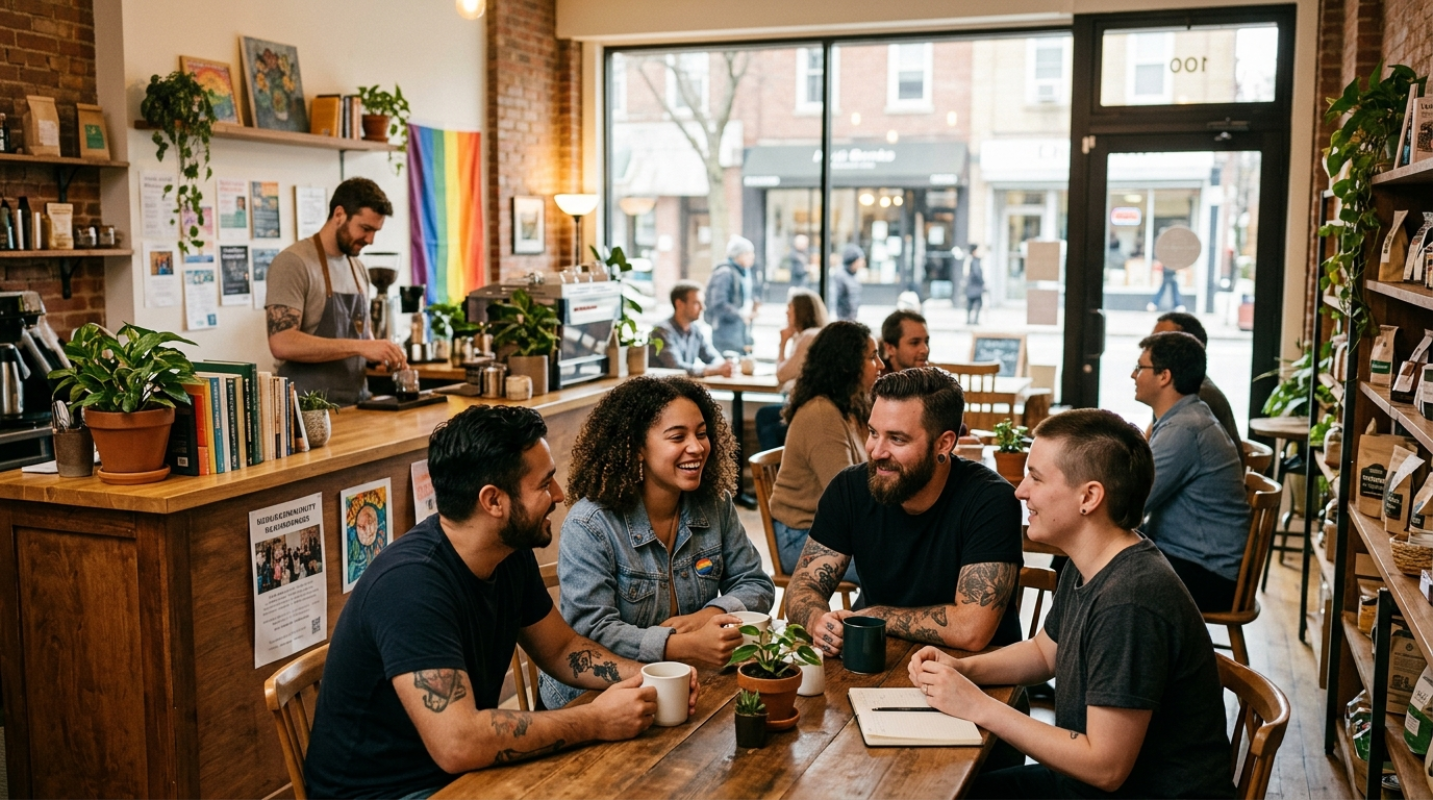
- Cultural Growth: Art galleries, coffee shops, and independent bookstores begin to open.
- Market Recognition: Real estate agents start coding the area as "hip" and "up-and-coming."
- Mainstream Interest: Larger developers move in to build luxury condos, driving up property taxes and rents.
This cycle creates a lot of wealth for early homeowners. However, it can also lead to the community being priced out of the very neighborhoods they helped create. The economics of queer-coding are a double-edged sword. While it brings investment and safety to an area, it also accelerates the rise in housing costs.
The Role of "Chosen Family" in Market Demand
Real estate has traditionally been built around the "nuclear family" of two parents and children. Queer-coding challenges this economic model by focusing on the "chosen family." This concept describes a support network of friends and partners who act as a family unit. This cultural shift changes what people look for in a home, which in turn changes what developers build.
Market demand is shifting toward properties that offer:
- Multiple Primary Suites: Homes with two large bedrooms of equal size are perfect for roommates or partners who want equal space.
- Large Dining Areas: A focus on community meals over private playrooms reflects a different lifestyle priority.
- Home Offices: Many queer professionals work in creative or digital fields and require dedicated workspace.
Developers are now building "niche" housing projects that cater specifically to these needs. By coding these buildings as "lifestyle-focused," they attract buyers who feel underserved by traditional suburban housing. This specialization allows developers to charge a premium for their properties because they are meeting a specific, high-demand need in the market.
Legal Protections and Economic Safety
Buying a home is the biggest financial decision most people will ever make. For the LGBTQ+ community, this decision is also about safety. Queer-coding serves as a signal that a neighborhood is a safe place to invest money without fear of harassment or discrimination. Discrimination can actually lower property values over time if it makes an area less desirable to a wide range of buyers.
Economic safety in real estate involves several factors:
- Fair Housing Laws: Federal and local laws protect people from being denied housing based on who they are.
- Inclusive Local Government: Areas with "pro-equality" laws often see higher rates of property appreciation.
- Visible Community Presence: Seeing other queer families in a neighborhood gives new buyers the confidence to invest.
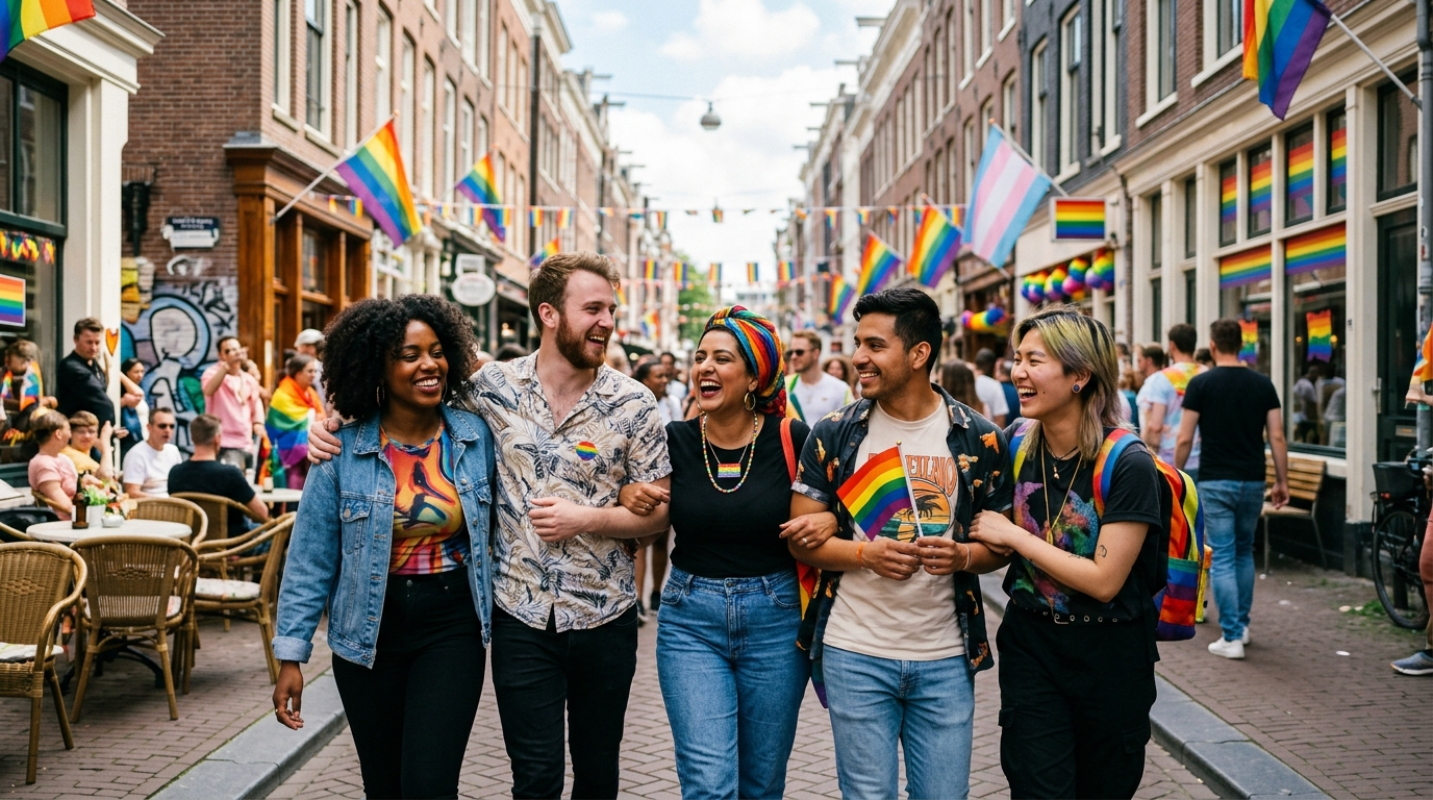
Real estate agents often use these factors as "selling points" without explicitly stating them. They might mention a local pride event or point out a community center. These subtle hints tell the buyer that their investment is protected by a supportive social environment. A safe neighborhood is a stable market, and stability is exactly what long-term investors want.
Inclusive Development
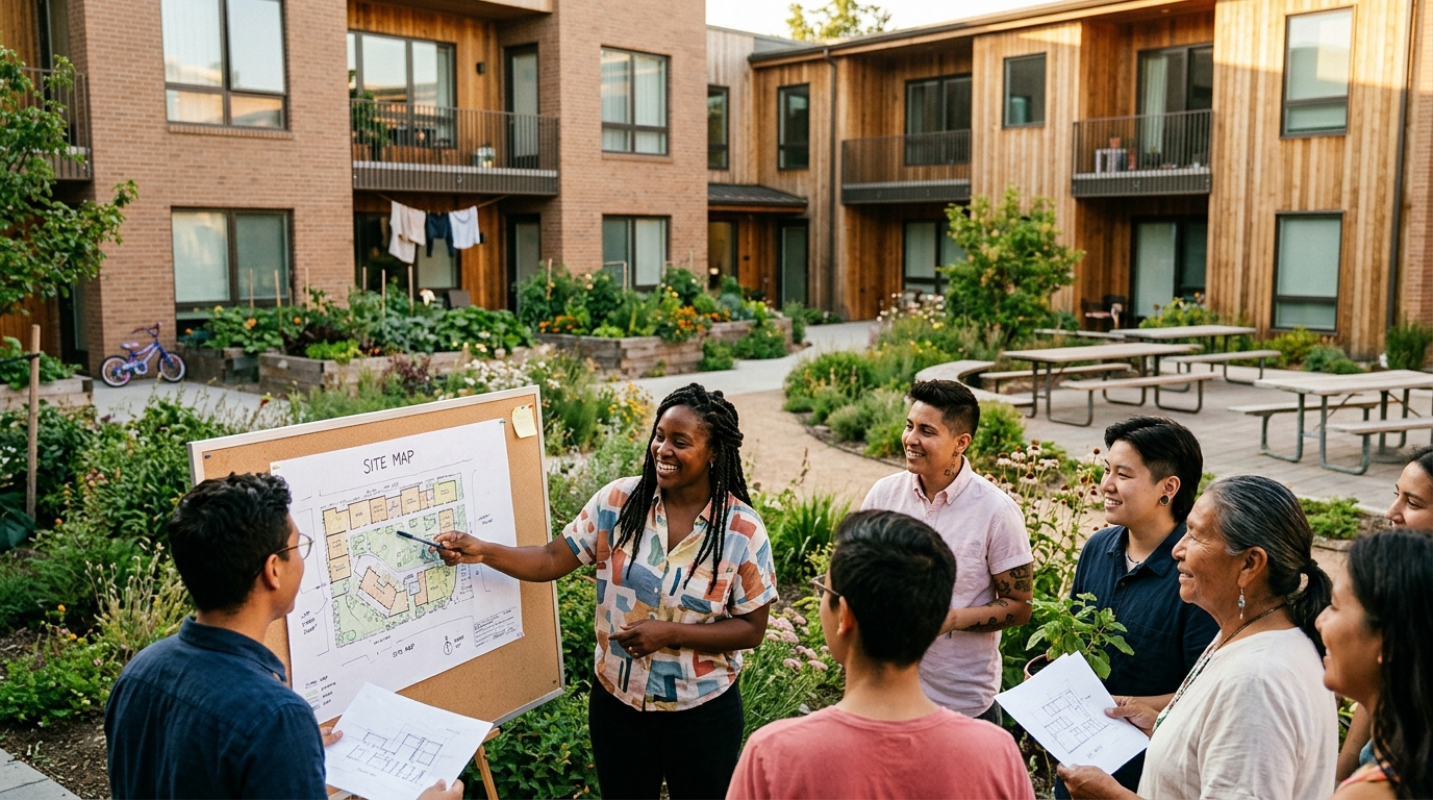
The real estate industry is becoming more aware of the power of the Pink Dollar every year. We are moving away from subtle "coding" and toward explicit inclusivity. New developments are being built from the ground up with diversity in mind. This includes senior living facilities specifically for LGBTQ+ elders and affordable housing projects for queer youth.
Future trends in this market will likely include:
- Universal Design: Creating spaces that are accessible to everyone, regardless of age or physical ability.
- Sustainability: Queer buyers often show a higher interest in "green" and eco-friendly housing.
- Digital Transparency: Using AI and data to ensure that marketing reaches the right people without being exclusionary.
Economic growth in the housing sector depends on reaching new audiences. Queer-coding was a necessary step during a time when being open was risky. Today, it has evolved into a sophisticated marketing language that celebrates a diverse range of lifestyles. As society becomes more accepting, the "secret" code is becoming a public conversation. This transparency is good for the economy because it allows more people to participate in the dream of homeownership.