 (Image source: BAG)
 Building a welcoming home or a community hub in an area that does not have a lot of queer history can feel like a big challenge. Many people live in neighborhoods where they do not see rainbow flags on every corner or queer-owned businesses on the main street. This lack of visibility can sometimes make a person feel like an outsider in their own backyard. Creating a queer-friendly space is a powerful way to claim your place in the community and offer a safe haven for others who might be looking for a sense of belonging. These steps help turn a regular house or storefront into a beacon of inclusion.
Signaling Safety Through Visuals
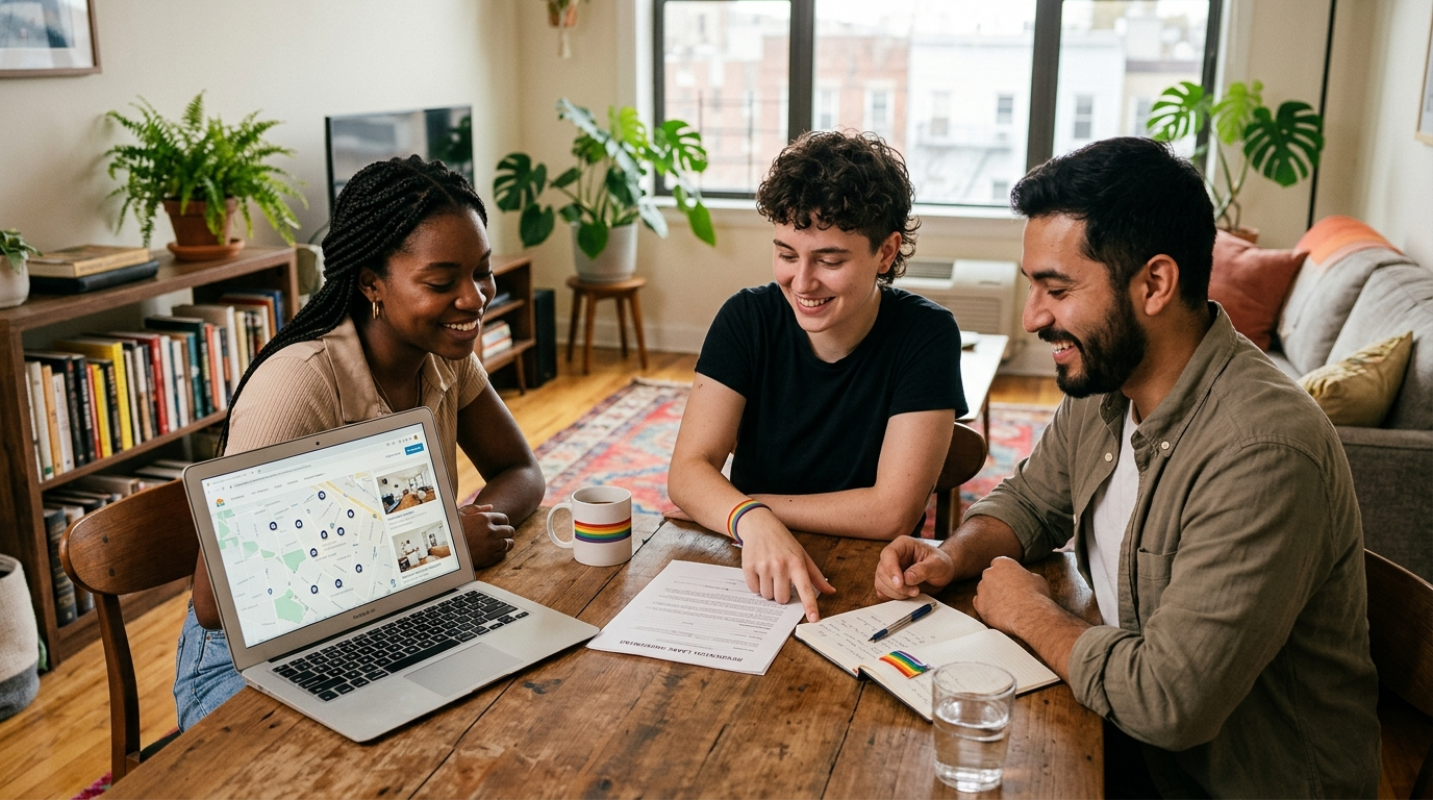
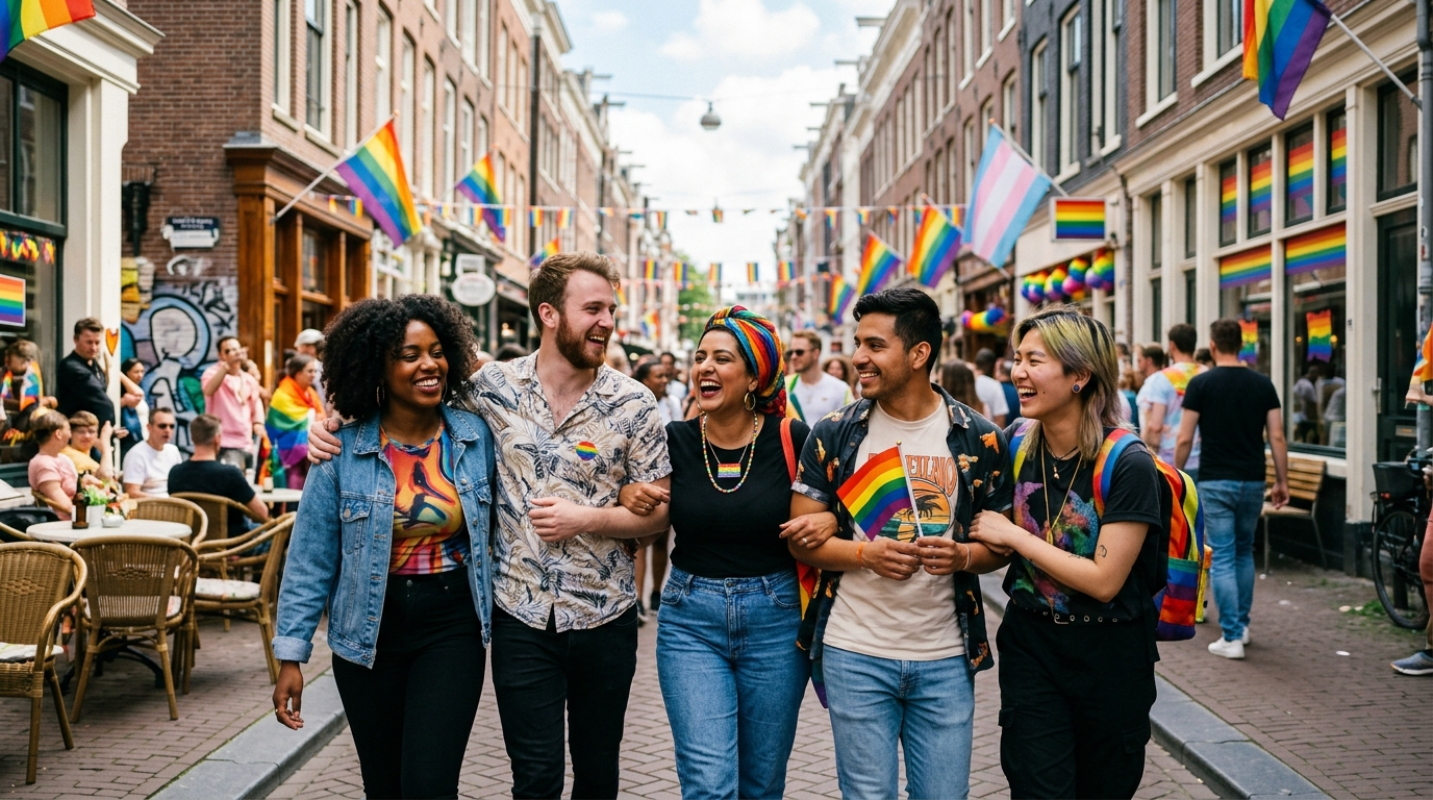
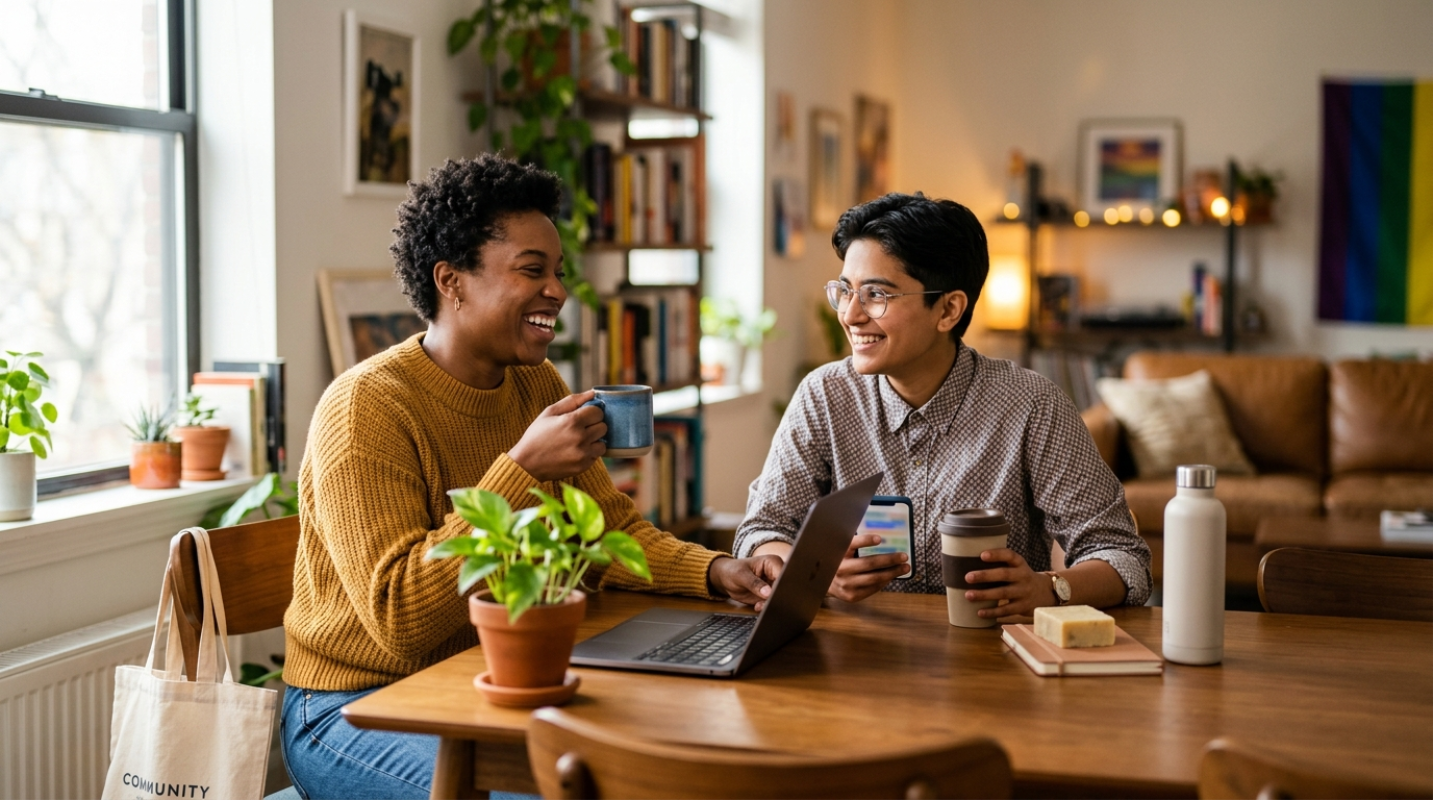
Visual cues are the most immediate way to tell people that a space is safe for the LGBTQ+ community. Putting a small rainbow sticker or a progress pride flag in a window is a classic method of "signaling." This term refers to using symbols to communicate a message without having to say a word. In a neighborhood that is not traditionally queer, these small symbols stand out and act as a welcome sign for people who are looking for their "tribe."
Specific choices in decor can make a big difference in how a room feels. You might choose to display books by queer authors on your coffee table or hang art that celebrates diverse identities. These items serve as conversation starters and show that your interests are rooted in queer culture. If you are running a business or a community space, having "inclusive" signage is a must. This means making sure that posters or flyers include diverse types of people and families. It tells a visitor that you have already thought about their comfort before they even walked through the door.
- Window Decals: Small stickers can signify a safe zone without being overwhelming.
- Diverse Art: Displaying work that shows different gender expressions and relationships.
- Reading Materials: Keeping magazines or books that focus on LGBTQ+ topics in common areas.
Implementing Gender-Neutral Facilities
Designing a space that respects everyone's identity often starts with the most basic rooms in a building. Bathrooms are a major point of anxiety for many trans and non-binary people. Traditional "men" and "women" signs can make people feel like they have to choose a side that might not fit them. Changing these to "all-gender" or "gender-neutral" signs is a simple but massive step toward making a space queer-friendly.
Single-stall bathrooms are the easiest to convert because they only require a change in the sign on the door. If you are creating a space in your home for events, you can simply tell guests that the bathroom is for everyone. This removes the "gender policing" that often happens in public spaces. Gender policing is when people judge or comment on someone else’s gender based on which bathroom they use. By removing the labels, you are creating an environment where people can just exist without being questioned about their bodies or their choices.
Language and the Power of Pronouns
Communication is the "glue" that holds a safe space together. The way you use language tells people exactly how much you respect their identity. Using "inclusive language" means avoiding words that assume everyone is straight or fits into a gender binary. For example, instead of saying "ladies and gentlemen," you could use "folks" or "everyone." This small shift ensures that non-binary and gender-nonconforming people feel included in the conversation.
Normalizing the use of pronouns is another specific action you can take. You might wear a small pin with your pronouns or include them when you introduce yourself to new neighbors. This creates a "culture of respect" where people feel comfortable sharing their own pronouns without fear of being mocked. It shows that you understand that you cannot know someone’s gender just by looking at them. In a neighborhood that might not be used to these practices, being the person who starts the trend can make a huge impact on how safe the area feels for others.
- Neutral Greetings: Using "friends" or "neighbors" instead of gendered terms.
- Introduction Rituals: Leading by example by sharing your pronouns first.
- Correction Habits: Politely correcting people if they use the wrong words for a guest.
- Event Reminders: Not Christmas, but Pride festivals or signage for upcoming Drag Shows.
Hosting Intentional Gatherings
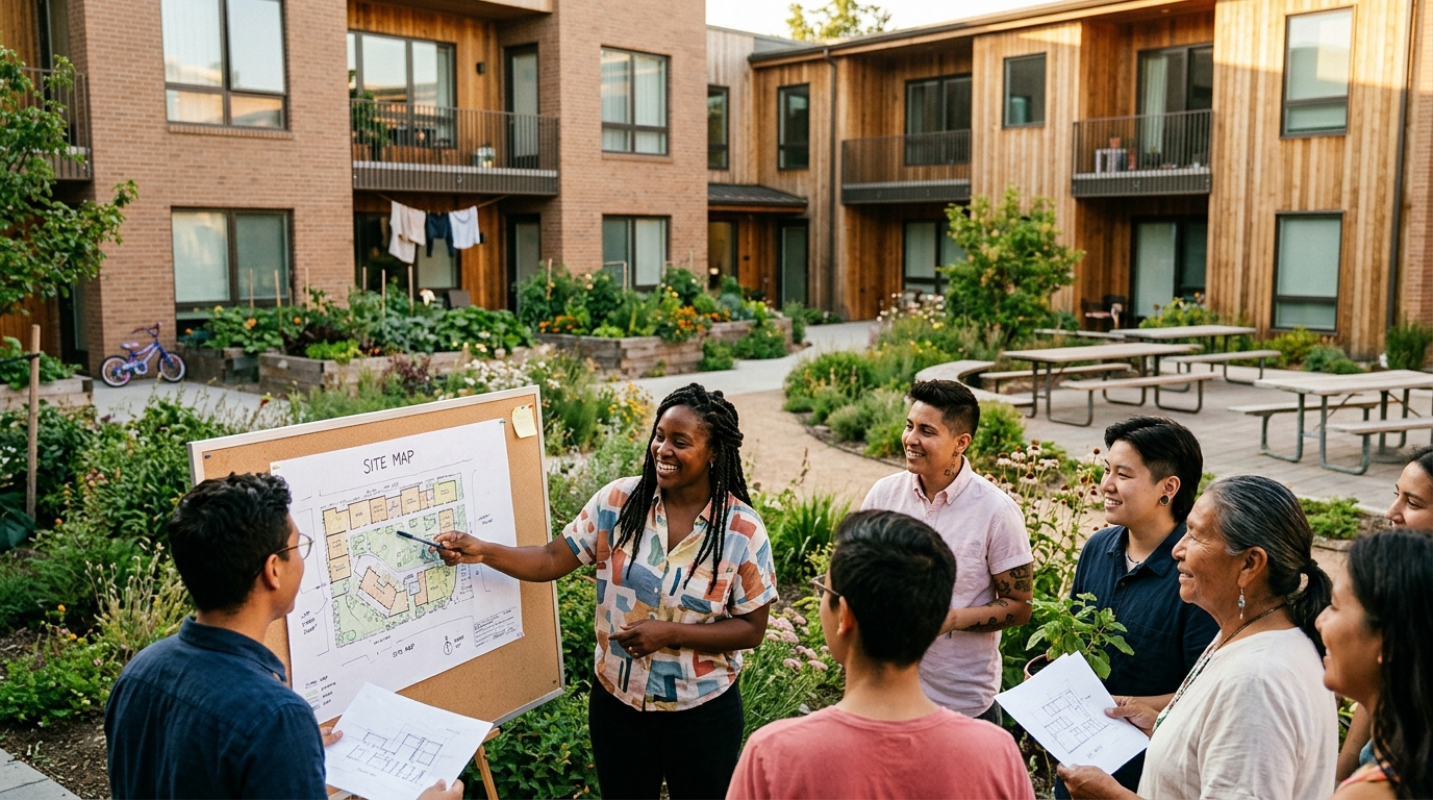
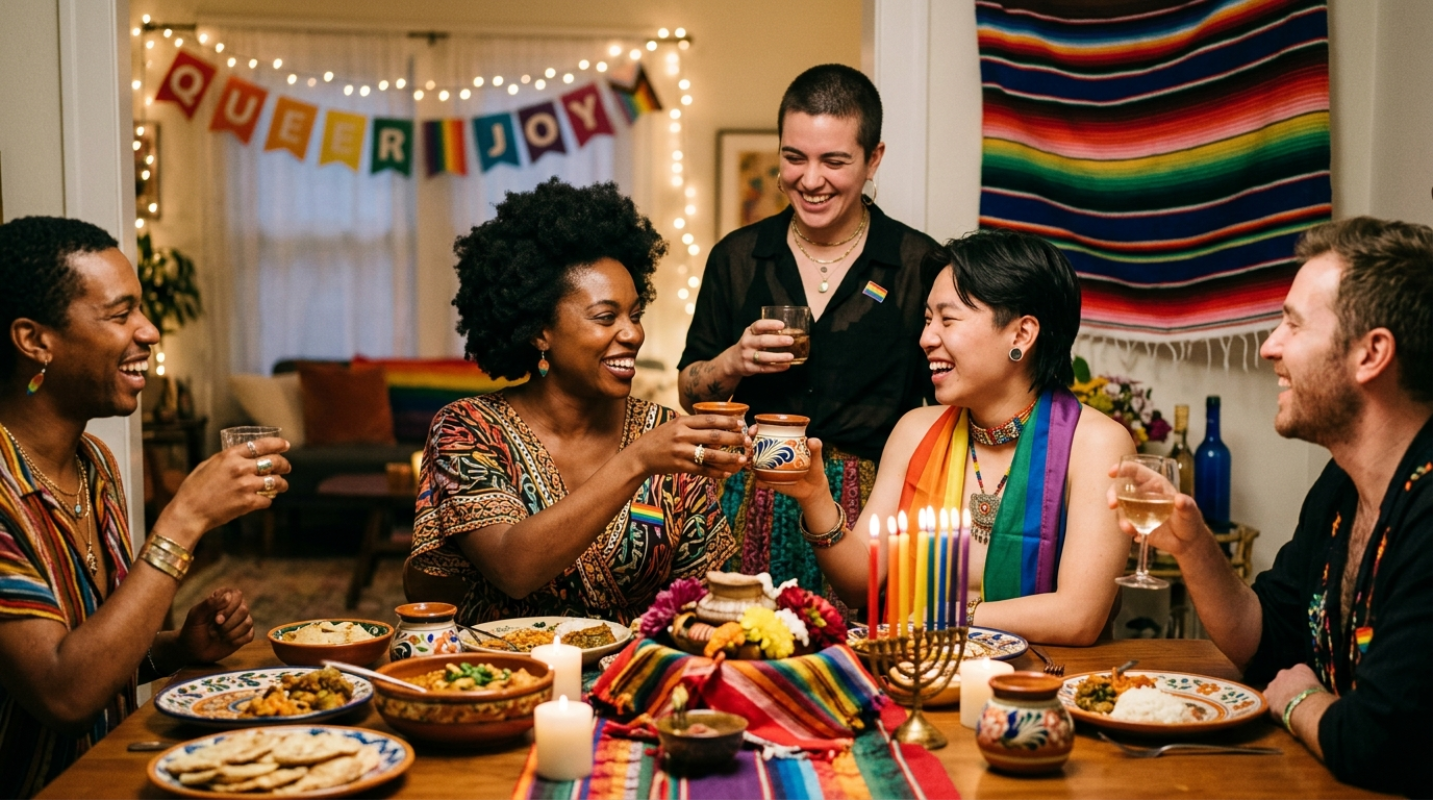
Gathering people together is the best way to turn a physical space into a living community. In a non-LGBTQ+ neighborhood, these events act as a "safe haven." This is a term for a place where people can relax and be themselves away from the pressures of the outside world. You could host a queer book club, a movie night featuring independent films, or even a simple potluck dinner.
Inviting neighbors who are allies is also a great way to build bridges. An "ally" is someone who supports the LGBTQ+ community even if they are not part of it themselves. By hosting "intersectional" events, you are showing the whole neighborhood that queer people are a vital and friendly part of the local area. This helps break down "stereotypes," which are oversimplified ideas about what a certain group of people is like. When people see you hosting a successful and respectful event, it changes their perception of the queer community for the better.
Supporting Local Queer Creators
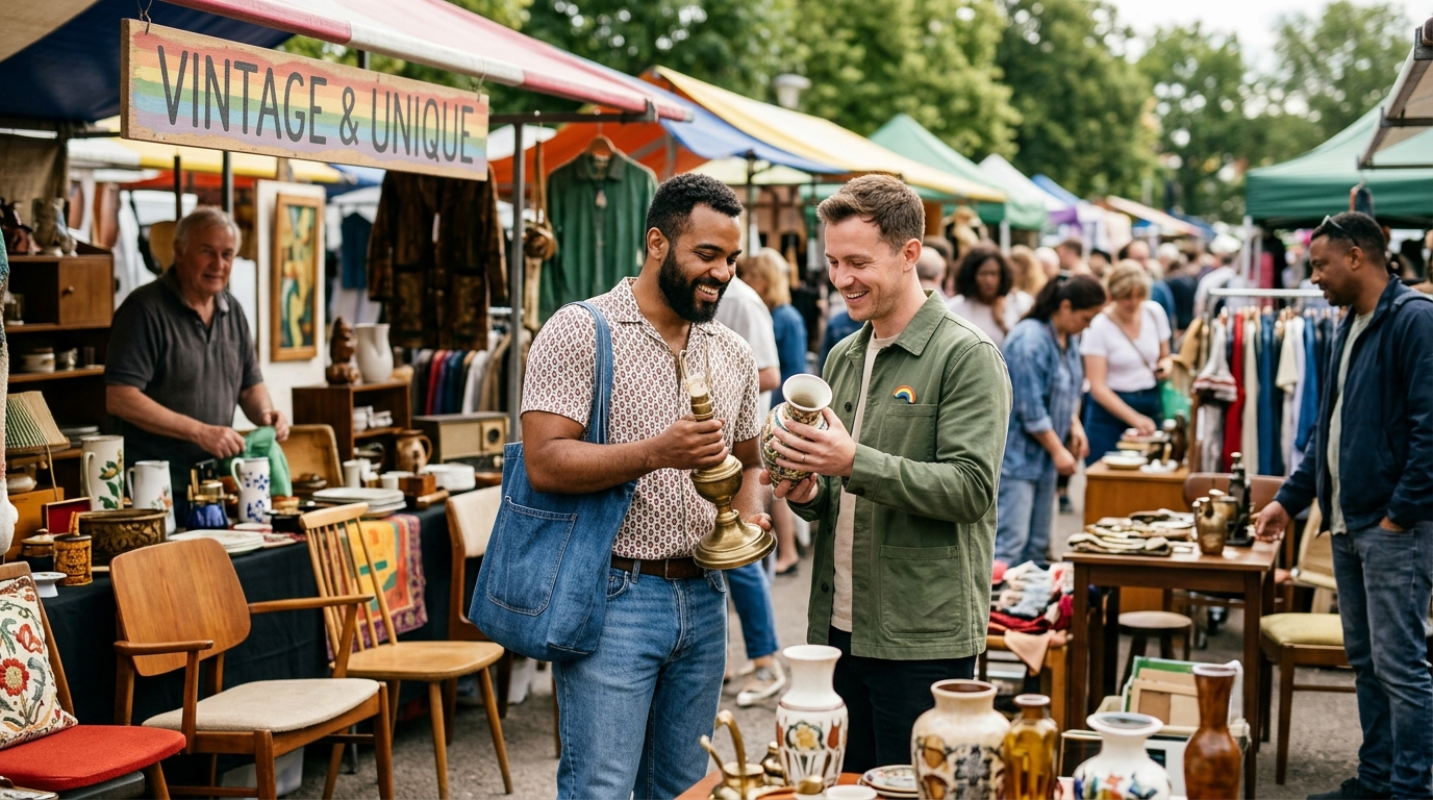
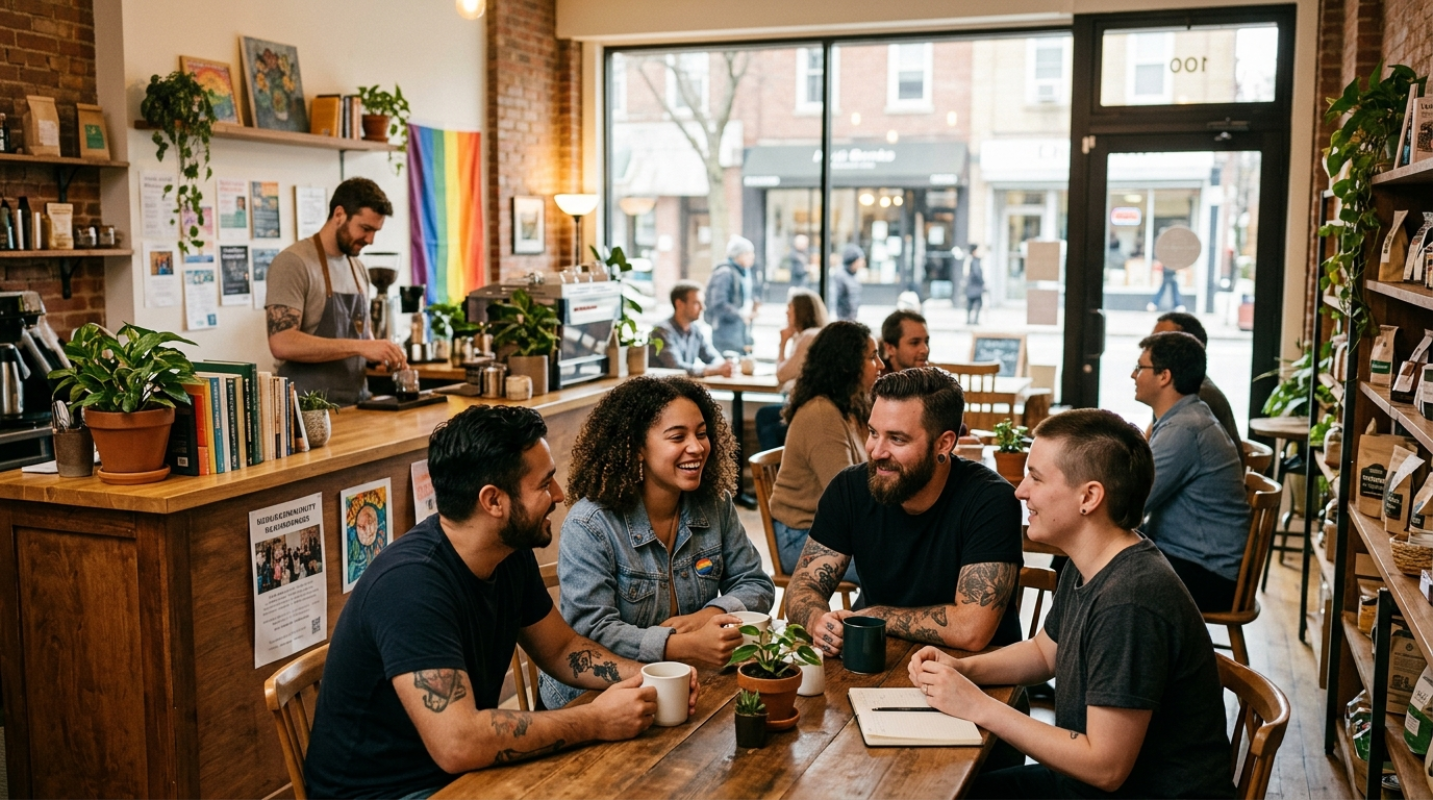
Bringing queer-made products into your space is a way to practice "economic activism." This means using your spending power to support the people and causes you believe in. You might buy your coffee from a queer-owned roastery or stock your shelves with candles made by a local trans artist. Even if there are no queer businesses in your immediate neighborhood, you can order these items online and display them proudly.
Talking about these products with your guests helps spread the word. You can explain why you chose a specific brand and highlight the story of the person who made it. This turns your space into a "hub" for queer commerce. It shows that you are connected to a larger world of creativity and business. For a queer person living nearby, seeing these products can be a huge comfort. It tells them that they can find a piece of their culture right there in their own zip code.
- Vendor Research: Looking for LGBTQ+ suppliers for your home or business needs.
- Brand Storytelling: Sharing the background of the queer artists you support.
Establishing Clear Boundaries
Safety is not just about being nice; it is also about being firm. To keep a space queer-friendly, you must have "clear boundaries" regarding what kind of behavior is allowed. This is especially important in a neighborhood where people might be less familiar with queer issues. If someone makes a disrespectful comment or a "microaggression," you need to be ready to address it. A microaggression is a small, subtle comment or action that is hurtful to a marginalized group, even if it was not meant to be mean.
You can set these boundaries by having a "code of conduct." This is a set of rules that explains how people are expected to treat each other. In a home setting, this could be a simple conversation with guests before a party. In a public space, it might be a small sign near the door. By being "proactive"—which means taking action before a problem happens—you ensure that everyone feels protected. People are more likely to relax and enjoy themselves when they know that the person in charge will stand up for them if something goes wrong.
Networking with Local Allies
Building a safe space is easier when you have "back-up" from the people around you. You can reach out to other businesses or neighbors who seem open-minded and ask them to join you in your efforts. Maybe the local coffee shop would be willing to put up a pride flyer, or the library would be open to a queer-themed book display. This creates a "network of safety" that extends beyond just your front door.
Collaboration is a powerful tool for change. You might work with an ally to organize a "neighborhood cleanup" or a "block party" that is explicitly inclusive. These actions show the community that being queer-friendly is not just a "special interest" but a part of being a good neighbor. It builds "social capital," which is the value of the relationships and networks you have with the people around you. The more allies you have, the more the entire neighborhood starts to feel like a welcoming place for everyone.