 (Image source: BAG)
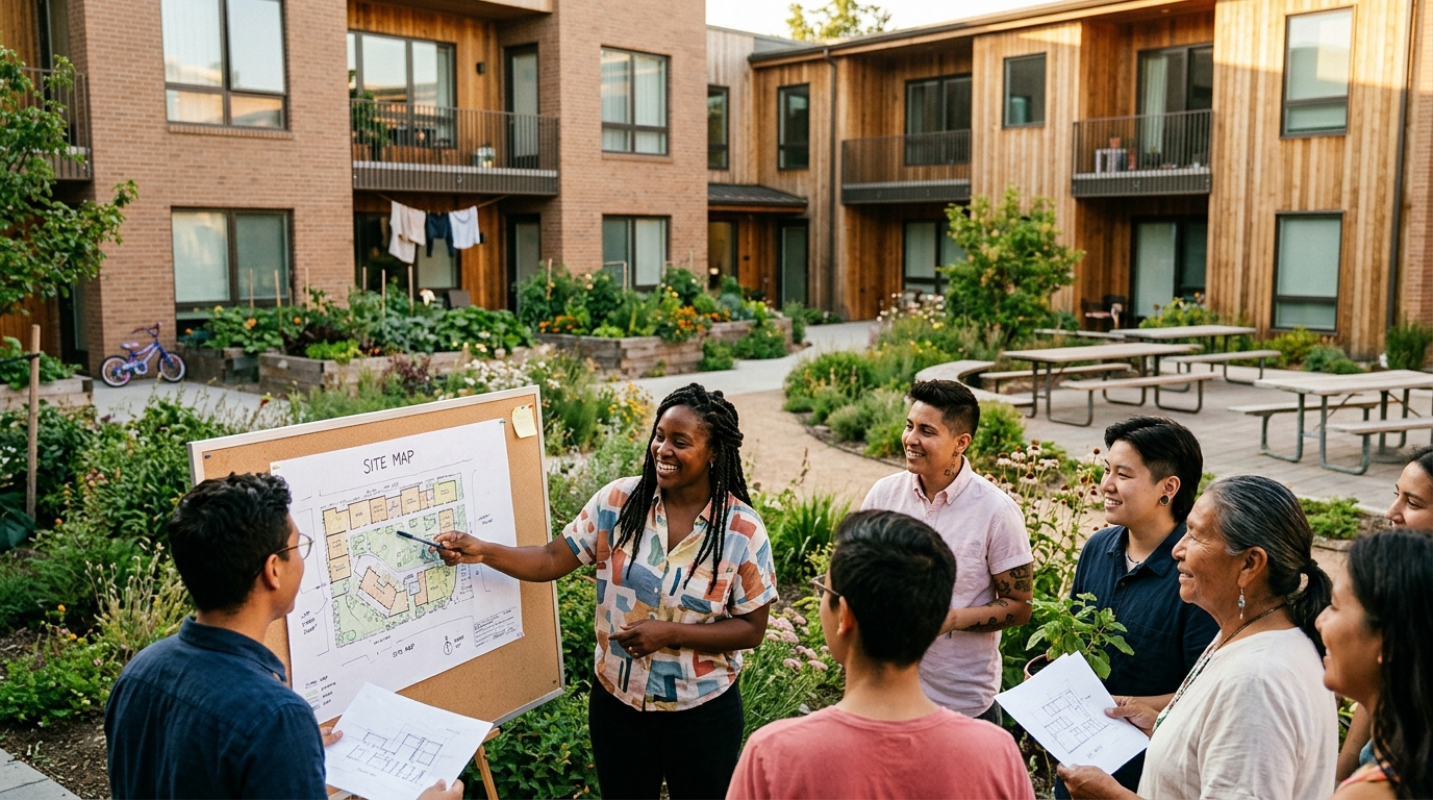
 Safe and stable housing is the foundation for a healthy life, but finding it can be a massive challenge for many. BIPOC LGBTQ+ individuals often face "compounding" barriers, which is a term used when multiple types of discrimination, like racism and homophobia, stack on top of each other. Traditional housing systems frequently fail to meet the specific needs of these communities, leading to higher rates of displacement and instability. Community-led housing solutions are changing this narrative by putting power back into the hands of the people most affected. These projects focus on "autonomy," meaning the community makes its own decisions about where and how they live. By creating spaces that are both culturally affirming and financially accessible, these groups are building a new future for housing justice.
Queer The Land
Seattle is known for its high cost of living, which often pushes out the very people who made its neighborhoods vibrant. Queer The Land is a grassroots collective that decided to fight back against this trend. They focus on "QT2BIPOC" individuals, which stands for Queer, Trans, and Two-Spirit Black, Indigenous, and People of Color. After years of fundraising, they successfully purchased a large 12-bedroom house in the historic Beacon Hill neighborhood.
This project is a prime example of a Community Land Trust. Instead of the house being owned by a single person who could sell it for a profit, the collective owns it to ensure it stays in the community forever. The house serves as both a residence and a community center. Residents participate in "collective governance," which means everyone has a say in the rules and the upkeep of the home. This prevents "displacement," the process where people are forced to move out of their neighborhoods because they can no longer afford the rent.
My Sistah’s House
In Memphis, Tennessee, an organization called My Sistah’s House is tackling homelessness with a very creative solution. Founded by Black trans activists Kayla Gore and Illyahnna C. Wattshall, this group builds "tiny houses" for trans and gender-nonconforming people of color. A tiny house is a small, fully functional home that usually measures around 400 square feet. It provides everything a person needs—a kitchen, a bathroom, and a sleeping area—but at a much lower cost than a traditional house.
As of 2026, they have successfully completed over a dozen of these homes. The goal of the Tiny House Project is to move people from "transitional" housing into permanent "homeownership." Ownership is a big deal because it allows people to build "equity," which is the value of the home that belongs to the owner. Many of the people they serve have been shut out of traditional bank loans and housing markets. By building these homes through community donations and grants, My Sistah’s House is creating a "legacy" of stability in the South.
House of Tulip
New Orleans has a deep history of trans culture, but it also has high rates of violence and poverty affecting Black trans women. House of Tulip was founded as a direct response to these dangers. It is a "housing refuge" that provides a safe place to stay specifically for transgender and gender-nonconforming (TGNC) residents. The organization focuses on "holistic" support, meaning they look at every part of a person's life, not just their need for a bed.
The founders, Mariah Moore and Milan Sherry, recognized that many people in their community were living in "survival mode." This is a state of mind where you are so worried about your immediate safety and food that you can't plan for the future. House of Tulip provides "zero-barrier" housing, which means they don't have strict requirements like credit checks or high fees that usually stop people from getting an apartment. They also offer "legal and life planning," helping residents with things like name changes and job readiness so they can achieve "long-term stability."
Brave Space Alliance
Brave Space Alliance is a Black trans-led community center located on the South Side of Chicago. Their housing program is centered in the Jasmine Alexander Housing Building, which offers a "housing readiness" initiative. This program is designed to last between six and eighteen months, giving residents enough time to truly stabilize their lives. It is more than just a shelter; it is a place for "empowerment."
Residents in the building have access to "Workforce Development" and "Financial Literacy" workshops. Financial literacy is the name for the skills you need to manage money, like making a budget or understanding a bank account. By combining a safe place to live with these educational tools, Brave Space Alliance helps people break the "cycle of homelessness." They focus on providing "dignity," making sure that the residents feel respected and valued as they work toward finding their own permanent apartments in the city.
The Taimon Booton Navigation Center
San Francisco's Tenderloin district is home to The Transgender District, the first legally recognized transgender district in the world. Within this area, the Taimon Booton Navigation Center provides specialized services for trans and gender-nonconforming people. A "Navigation Center" is a specific type of shelter that is designed to be "low-barrier," meaning they accept pets, partners, and personal belongings that other shelters might ban.
This center is especially important for trans women of color who have been "formerly incarcerated," which means they have spent time in jail or prison. People coming out of the legal system often face massive discrimination when looking for a place to live. The center provides "case management," where a professional works one-on-one with a person to find a permanent home and connect them with healthcare. By focusing on "re-entry," the center helps people rebuild their lives after they have been pushed to the margins of society.
Ruth Ellis Center
The Ruth Ellis Center in Detroit is a legendary organization named after a Black lesbian activist who spent her life helping others. They focus on LGBTQ+ youth and young adults, many of whom are BIPOC. One of their most important projects is Ruth Ellis Clairmount Center, which offers "permanent supportive housing." This model combines affordable rent with on-site services like medical care and mental health support.
The center is designed to be an "affirming" environment. In the world of housing, an affirming space is one where your identity is celebrated rather than just "tolerated." They prioritize "intergenerational" connections, bringing together young people with mentors and elders who have navigated similar challenges. This creates a "social fabric" of support. When people feel like they belong to a community, they are much more likely to succeed in keeping their housing and reaching their personal goals.