 (Image source: BAG)
 Have you felt that tightening in your chest when you look at a map of the United States lately? It's a strange time to be alive. We are looking a country that feels like a quilt made of sandpaper and silk. In one state, you're a protected citizen with healthcare rights. In the next, your very presence in a public bathroom could be a crime. It's a lot to carry. I've seen the spreadsheets, the frantic group chats, and the "emergency move" GoFundMes. This move you're considering isn't just about a change of scenery. It's a search for a home that reflects your authentic self. It's about finding a zip code where you don't just survive, but where you actually get to thrive. So, let's look at how to handle this mess with your safety and your identity at the front of your mind.
Your Safety & The Legislative Space
We used to talk about "red states" and "blue states" in terms of taxes or school funding. Now, those colors represent something much more visceral. The legislative gap between states has become a canyon. You've probably seen the maps. They're color-coded to show where gender-affirming care is banned or where laws have been passed to legally erase trans identities.
So what does this actually mean for your move? You need to look beyond the surface. A state might have a "blue" governor, but what do the local municipal ordinances look like? Think of it like checking the weather. You wouldn't just check the forecast for the whole state of New York before deciding what to wear in Buffalo. You need the local data.
Resources like the HRC State Equality Index are your best friend here. They rank states based on actual policy, not just vibes. Like, Rhode Island has consistently held an A+ grade because they've done the work to protect healthcare and keep hate crime rates low.¹ It's one of the few places where the law actually has your back.
On the flip side, you have states like Florida and Texas that have become increasingly hostile. In early 2025, Texas even stopped allowing people to change the gender markers on their state IDs.² This is the kind of "paperwork violence" that can make your daily life a series of awkward or dangerous interactions. When you're scouting a new home, you aren't just looking for a cool coffee shop. You're looking for "Shield Laws" that protect you from out-of-state investigations. You're looking for a state that treats your identity as a fact, not a political talking point.
The Practicalities Paperwork, Healthcare, and Documentation
Let's get into the weeds for a second. The bureaucracy of moving is already a nightmare, but when you're queer or trans, it's a marathon with hurdles. If you're moving from a state that allows identity changes to one that doesn't, you need to get your ducks in a row before you cross that border.
Think of your documentation as your shield. If you haven't updated your birth certificate or passport yet, do it now. If you move to a state that has passed "sex definition" laws, you might find yourself stuck with outdated markers that don't match your life. It's the digital equivalent of being locked out of your own house.
Healthcare is another massive piece of the puzzle. You don't want to arrive in a new city and realize the nearest gender-affirming clinic has a six-month waitlist or, worse, doesn't exist. Secure your providers before you even pack a single box. Call the clinics in your target city. Ask them about their insurance intake.
Medical record transfers are notoriously clunky. Don't rely on the "system" to send your files correctly. Get physical or digital copies of everything. Your hormone prescriptions, your surgical history, your therapist's letters - keep them in a folder that stays with you, not in the back of the moving truck. Insurance coverage gaps across state lines are real, and they can be expensive. If you're moving without a job lined up, look into the state's Medicaid expansion. Some states are much more generous with what they cover than others.
Relocation Support
If the prospect of moving feels crappy, you don't have to do it alone. There are organizations specifically designed to help queer and trans people escape hostile environments and find safety.
- Trans Continental Pipeline: This group is a powerhouse for logistical and financial support if you're looking to move to Colorado.
- A Place for Marsha: They operate like a grassroots housing network, connecting trans people with safe hosts in states with better protections.
- Elevated Access: This is an incredible group of volunteer pilots who provide free flights for people who need to access healthcare across state lines.
- Trans Resistance Network: They focus on crisis support and emergency relocation for families fleeing states with high-risk legislation.
- Pink Haven Coalition: A mutual aid network that helps with the actual costs of moving, which we all know can be astronomical.
Finding Friends in a New Zip Code
Once the boxes are unpacked, the real work begins. Moving to a "safe" state is only half the battle. You can be in the most progressive city in the world and still feel incredibly lonely if you don't have your people.
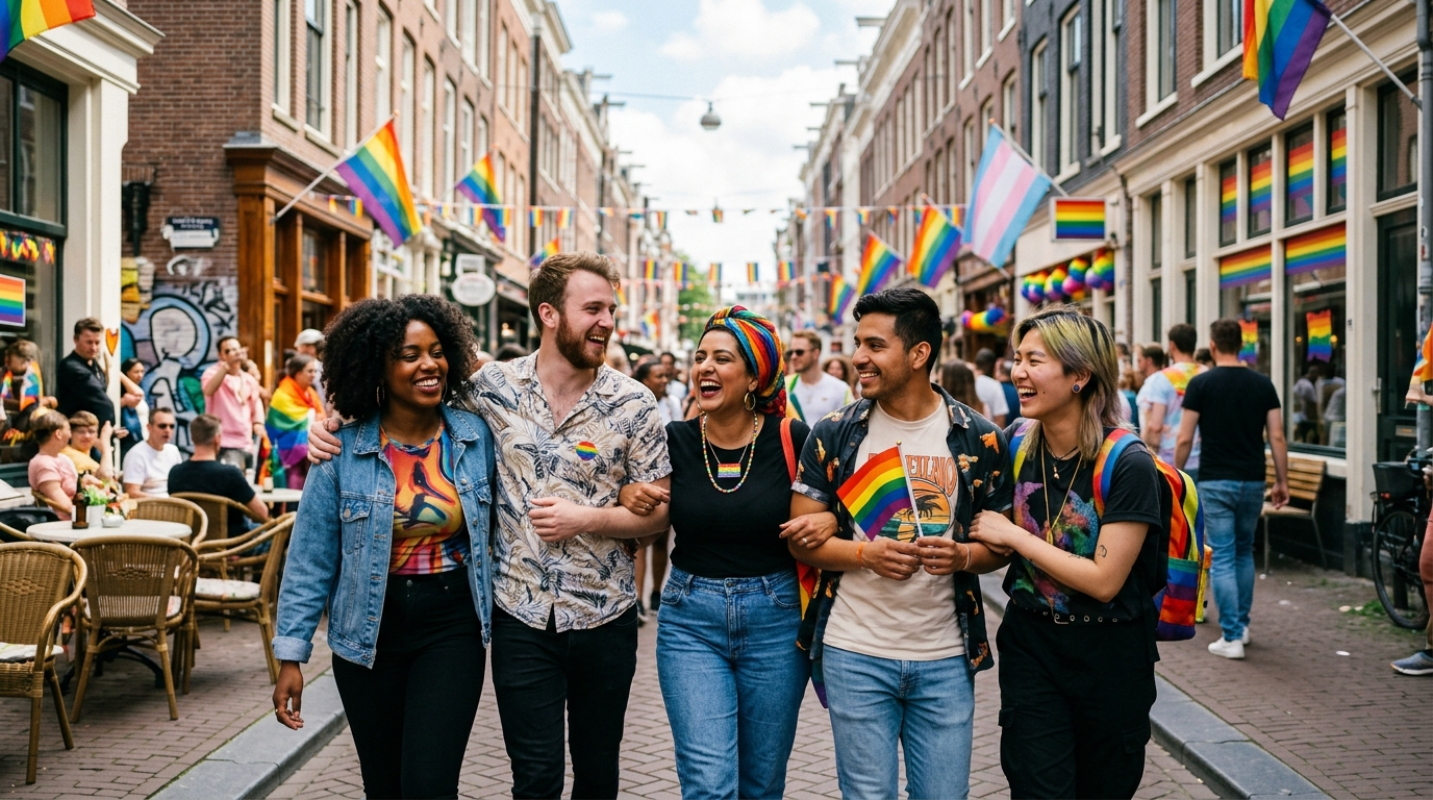
We often talk about "the gayborhood," but those areas are getting more expensive by the second. You don't necessarily need to live in the central city's queer district to find community. Sometimes the best neighborhoods are the ones that are "queer-adjacent" - places with local bookstores, community gardens, and dive bars where the bartenders know how to use correct pronouns.
Use the digital tools we have. Before you even arrive, join local queer Facebook groups or Discord servers. Look for hobby-based groups. Are you a queer hiker? A trans gamer? A lesbian knitter? These niche communities are often the fastest way to build a support system. They're the ones who will tell you which landlord is a creep and which doctor actually listens.
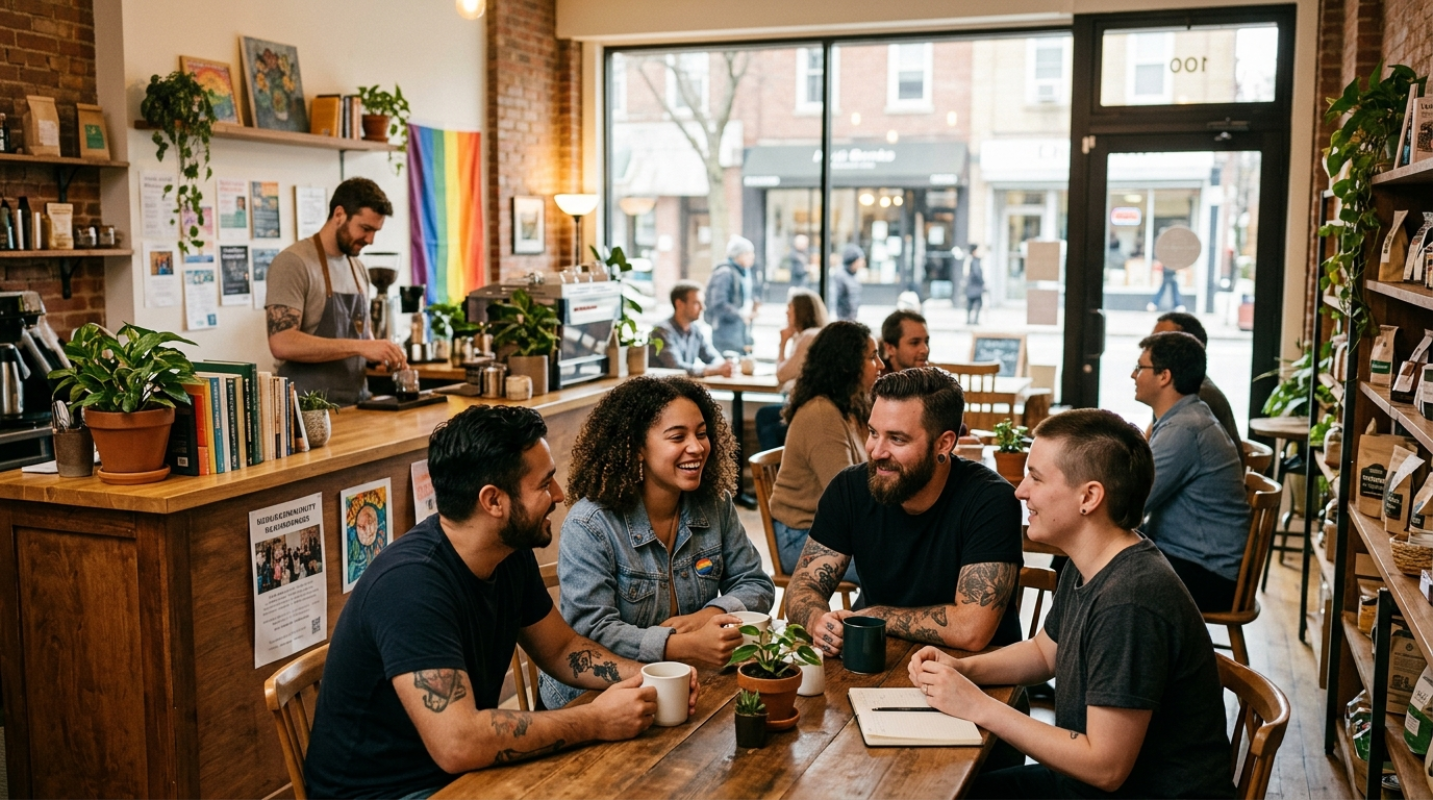
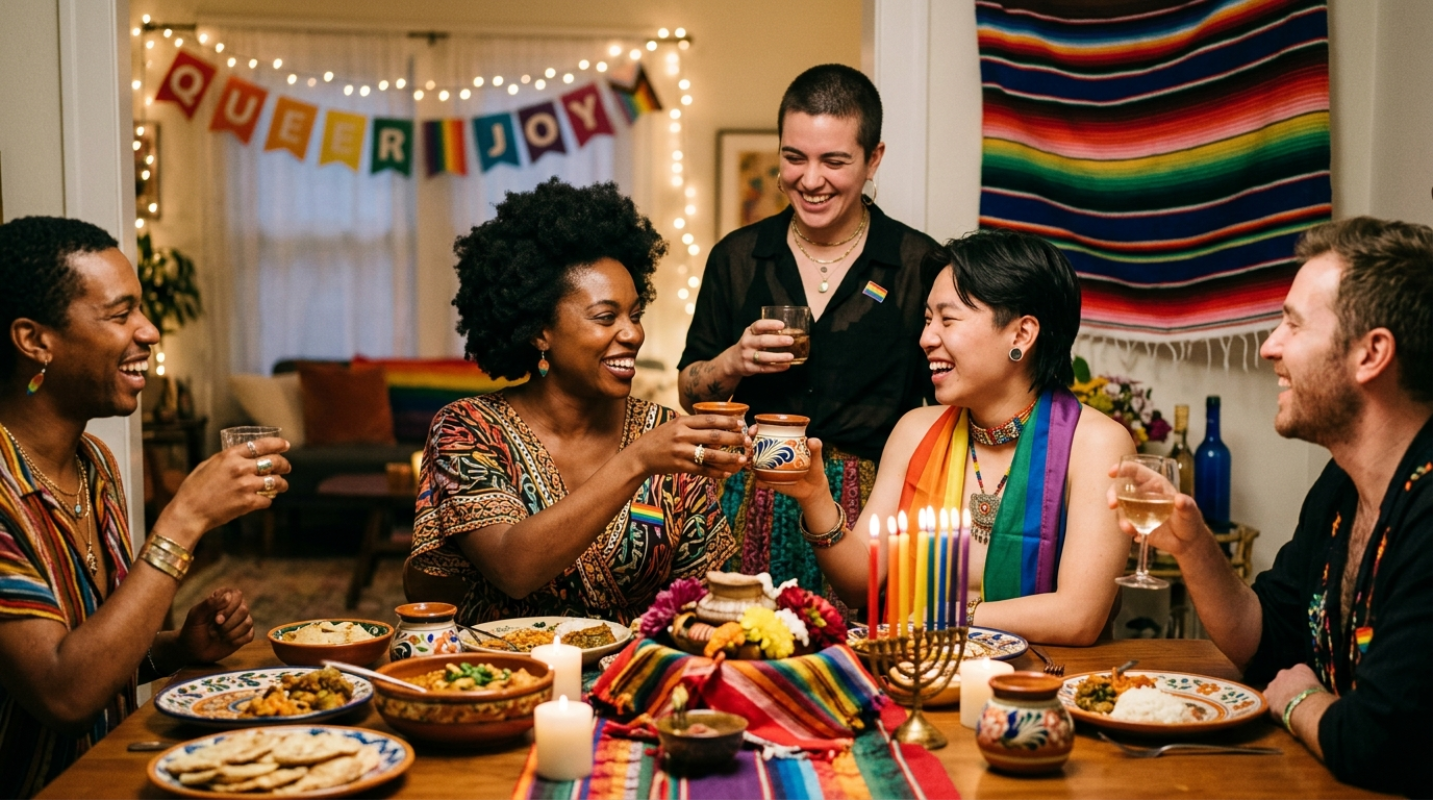
Rebuilding a support system is emotional labor. It's exhausting to have to explain yourself all over again to a new group of people. But there is a specific kind of joy in finding a community that sees you. It's the moment you walk into a house party and realize you don't have to scan the room for threats. That feeling of safety is what you're paying for with every mile you drive.
An Act of Self-Preservation
At the end of the day, moving is a radical act of self-love. We live in a culture that often tells us to "stay and fight," but you can't fight if you're drowning. If your mental health is suffering because your state legislature treats you like a problem to be solved, leaving isn't "giving up." It's surviving.
Trust your intuition during the scouting process. If a neighborhood feels "off" during a visit, listen to that. You've spent your whole life fine-tuning your internal radar for safety. Don't ignore it now just because a place has a high equality score on paper.
You deserve a home where your identity is the least interesting thing about you. You deserve to live in a place where you can worry about normal things, like the price of eggs or when the trash gets picked up, instead of whether your healthcare will be legal next month.
Relocating is a proactive step toward a future where you don't just exist as a political talking point. It's about claiming your right to a peaceful life. You are worth the effort of the move. You are worth the stress of the paperwork. And you are absolutely worth the chance to live in a place where you can finally breathe.
This article is for informational and educational purposes only. Readers are encouraged to consult qualified professionals and verify details with official sources before making decisions. This content does not constitute professional advice.