 (Image source: Google / Gemini)
 Looking for a place to live is already a nightmare. If you're queer, it's a nightmare with added layers of anxiety. Have you ever walked into an apartment viewing and felt that immediate, cold prickle on the back of your neck? Maybe the landlord made a weird comment about your partner, or the potential roommate's eyes lingered just a second too long on your pins. It's exhausting. In 2026, the housing market remains a battlefield. Recent data shows that housing discrimination against our community rose by nearly 46 percent over the last few years.
About 36 percent of LGBTQI+ adults reported experiencing discrimination in the past year alone. For trans folks, that number is a staggering 62 percent.¹ We aren't just looking for four walls and a roof. We're looking for a sanctuary.
There is a massive difference between being tolerated and being affirmed. A landlord who tolerates you might not evict you, but they might make you feel like you need to hide who you are. An affirming living situation is one where you don't have to scan the room before you invite friends over or worry about putting a sticker on your fridge. You deserve a home where you can breathe.
Where to Start Your Hunt for LGBTQ Friendly Housing
The mainstream apps are fine for price comparisons, but they often lack the soul and safety checks we need. Think of niche platforms as the digital equivalent of a community bulletin board where everyone actually looks out for each other.
• Lex: This app is a powerhouse for the community. It started as a social space but has become a go-to for housing posts. Because it's text-based and community-moderated, people are usually very upfront about their identities and what they expect from a housemate.⁴
• Facebook Queer Housing Groups: These are still some of the most active resources around. Look for groups like Queer Housing DC or SF Queer House Listing. These groups often have moderators who screen members, which adds a layer of protection you won't find on Craigslist.
• Roomies.com: This site has a specific filter for LGBT+ or Gay households. It's a quick way to skip the awkwardness of wondering if someone is cool with your identity.
When you're stuck using mainstream sites like Zillow or Apartments.com, you have to learn to read between the lines. Look for green flags. Does the listing use gender-neutral language? Do the photos show a neighborhood with pride flags or inclusive businesses nearby? Even a small mention of being "open-minded" or "inclusive" can be a sign, though you'll still want to verify.
On the flip side, be wary of "family values" coding. In some contexts, this is just a way of saying "traditional and exclusionary." If a listing emphasizes a "quiet, traditional neighborhood" with a certain tone, it might not be the affirming space you're after.
Vetting Potential Roommates: Finding an Affirming Roommate
The roommate interview is basically a first date where the stakes are your daily peace of mind. You aren't just checking if they wash their dishes. You're checking if they'll be an ally when things get real. southernmanagement.com suggests that a thorough vetting process is the best way to avoid future conflict.⁵
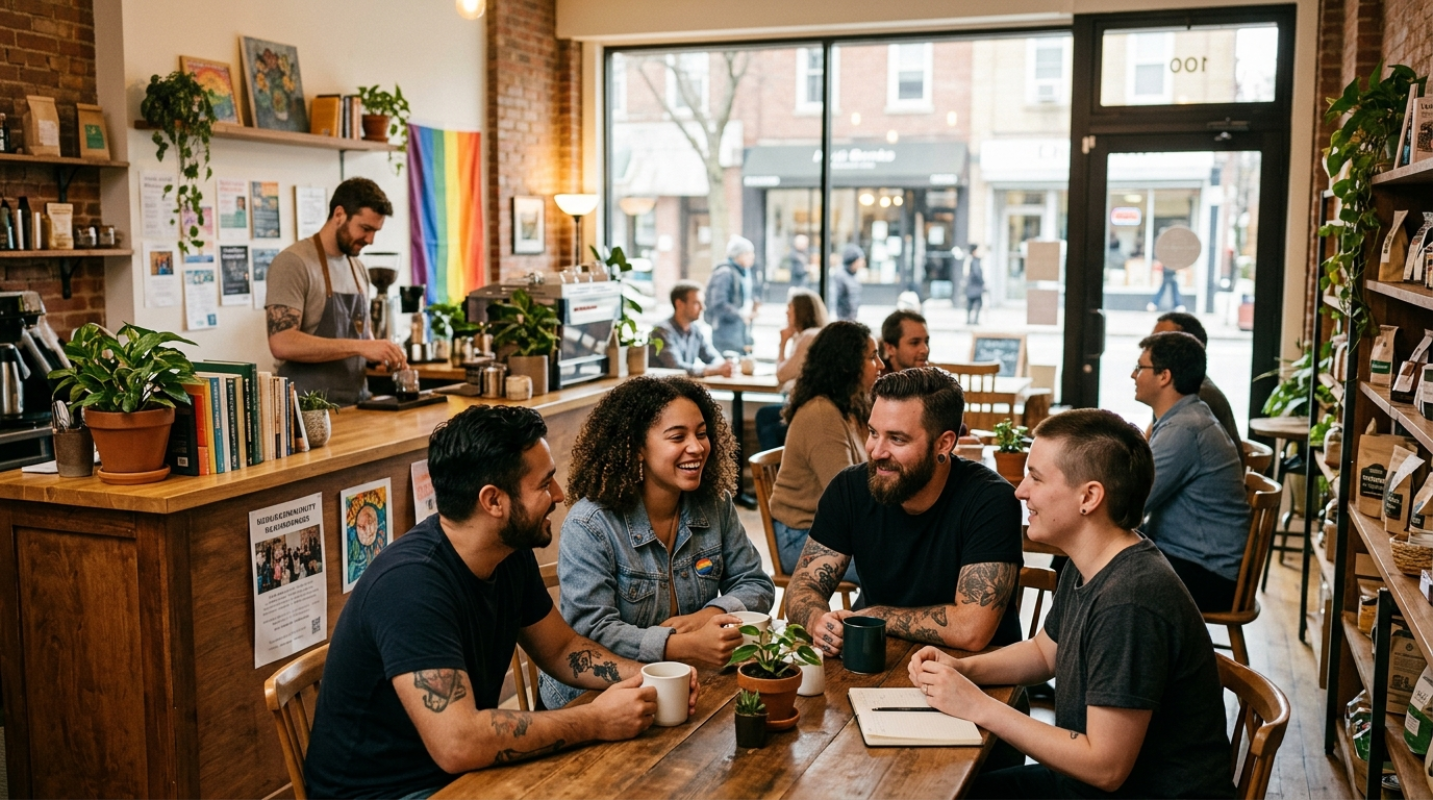
Start with a vibe check. Meet in a neutral, queer-friendly space if possible. Pay attention to how they react when you mention your community or your partner. Do they get stiff? Do they over-correct and try too hard to prove they're "one of the good ones"? Trust your gut here.
Ask direct but conversational questions to gauge their level of allyship.
• Guest Policies: Ask how they feel about partners staying over. If they're evasive or weird about "overnight guests," it might mean they're uncomfortable with queer relationships being visible in the home.
• Outness and Visibility: Ask about their comfort level with pride flags or gender-affirming items in shared spaces. Your home shouldn't be a place where you have to stay in the closet.
• Conflict Resolution: Ask how they handle social or political disagreements. You don't need to agree on everything, but you do need to know they won't turn into a different person when a difficult topic comes up.
Watch out for people who blame all their previous roommates for "drama." That is a classic red flag. It usually means they lack conflict-resolution skills or, worse, they were the source of the problem.
Navigating Landlord Interactions and Tenant Rights
Dealing with landlords is a different beast. Although a roommate is a social partner, a landlord is a business relationship with legal weight. You need to know your rights before you sign anything.
As of 2026, the legal space is a bit of a patchwork. The Fair Housing Act, following the Bostock decision, prohibits discrimination based on sex, which includes sexual orientation and gender identity. But enforcement can be tricky depending on where you live. About 22 states have very clear, codified laws protecting us, but in other places, you might have to rely on federal protections.
You don't always have to disclose your identity immediately. It's a personal choice. Some people prefer to be out from the jump to weed out bigots. Others prefer to keep it strictly professional until the lease is signed. Both are valid.
If you want a smoother experience, consider working with pros who get it. Sites like GayRealEstate.com can connect you with agents who already know which landlords are safe and which neighborhoods are welcoming.
When talking to a landlord or property manager, ask about their nondiscrimination policies. A professional company should have a written policy that explicitly mentions gender identity and sexual orientation. If they hesitate or seem confused by the question, that's your cue to look elsewhere.
Creating a Queer Safe Living Situation Through Boundaries
Once you find a place, the work doesn't stop. You have to build the environment you want. This starts with clear boundaries. Even in an all-queer house, people have different needs and comfort levels.
Set house rules early. This isn't about being bossy. It's about respect. Talk about shared spaces, noise levels, and how you'll handle guests. In an affirming home, these rules should prioritize everyone's safety and comfort.
Communication is your best tool. If something feels off, address it before it turns into a blow-up. Use "I" statements. Instead of saying "You make me feel uncomfortable when you say X," try "I feel uncomfortable when X happens in our shared space." It keeps the conversation from becoming an interrogation.
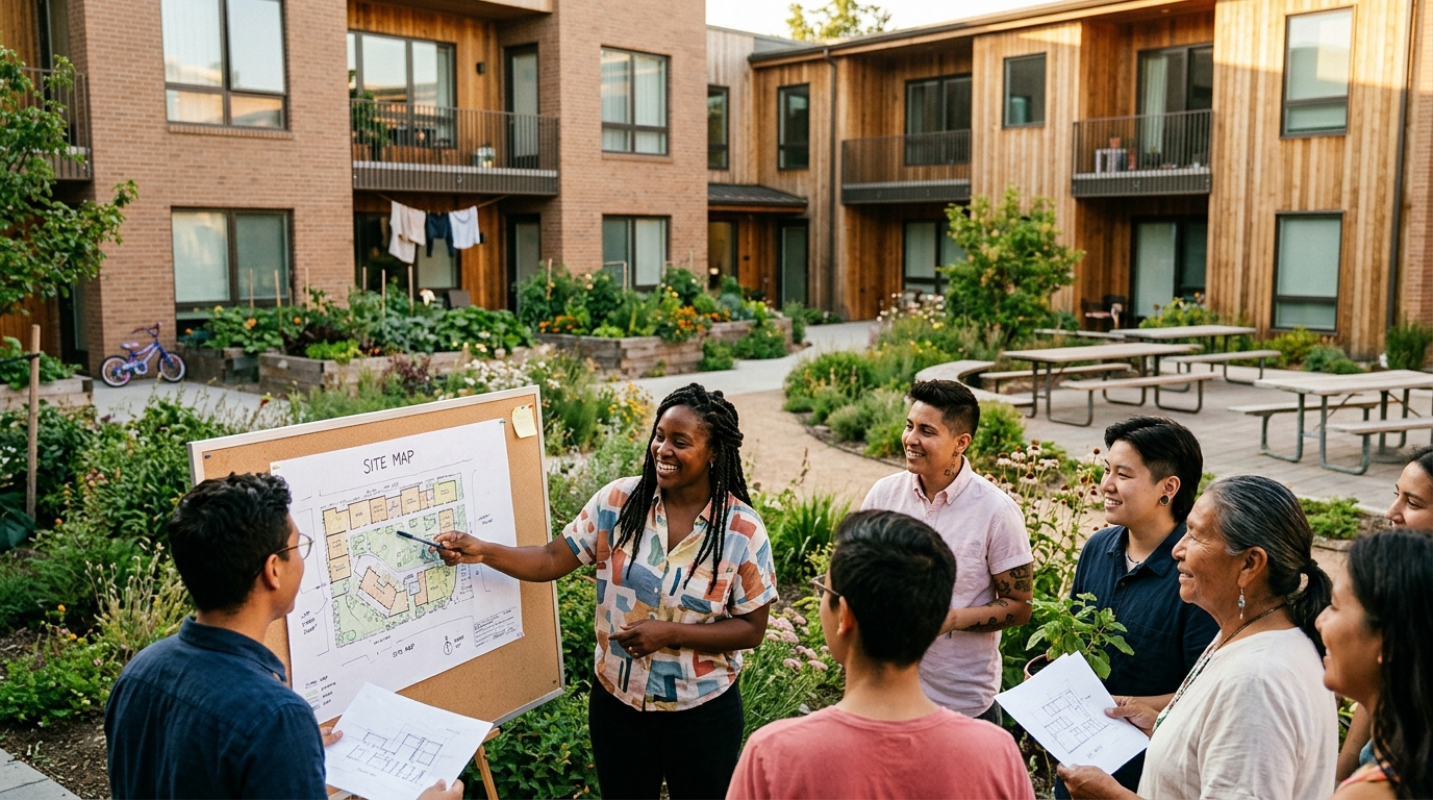
Building a community-focused home is about more than just surviving. It's about growing. Maybe that means a monthly house dinner or a shared garden. When you create a space that feels like a community, the house becomes more than just a building. It becomes a home.
Claiming Your Space
The search for the right home can be long and frustrating. You might face rejections or awkward encounters that make you want to give up and just take the first place that says yes. Don't settle if you don't have to.
The LGBTQ+ homeownership rate is still significantly lower than the national average, sitting at about 49 percent compared to 66.7 percent for the general population.² This means many of us are renters for longer periods. Because of that, the quality of our rental situations matters even more.
Patience is your friend. It's better to spend another month searching than to spend twelve months in a lease with someone who makes you feel small. Trust your intuition. If a place feels wrong, it probably is.
When you finally find that spot, take the time to make it yours. Hang the art, invite the friends, and occupy every corner of it. You've worked hard to find a safe space. Now, enjoy the peace that comes with it.
Sources:
1. LGBTQ+ State Safety Rankings
https://www.safehome.org/data-lgbtq-state-safety-rankings/
2. The LGBTQ+ Community and Homeownership in 2024
https://mortgageequitypartners.com/the-lgbtq-community-and-homeownership-in-2024/
3. How to Find LGBTQ+ Roommates
https://help.lex.lgbt/article/95-irl-how-to-find-lgbtq-roommates
4. Vetting Roommates for a Safe Home
https://www.southernmanagement.com/blog/how-to-find-lgbt-roommates/
5. National LGBTQ Housing Initiative
https://www.sageusa.org/advocacy-partnerships/national-lgbtq-housing-initiative/
*This article on justgobe.com is for informational and educational purposes only. Readers are encouraged to consult qualified professionals and verify details with official sources before making decisions. This content does not constitute professional advice.*