 (Image source: BAG)
 Imagine wondering if you can hang a flag in your window without getting a nasty note under your door, even if that flag was just showing off a country you were from. For many LGBTQ+ students, these aren't just "what-if" scenarios. They're the daily grind of trying to get an education while looking over your shoulder. They may be treated poorly just because they put an LGBTQ+ flag outside of their dorm. Thankfully, that's where Living-Learning Communities (LLCs) come in. They're curated spaces where your identity is the foundation of your academic and social life. These communities have become the front line in the fight for student well-being. They provide a home base where you don't have to explain yourself.
Safe Housing Matters
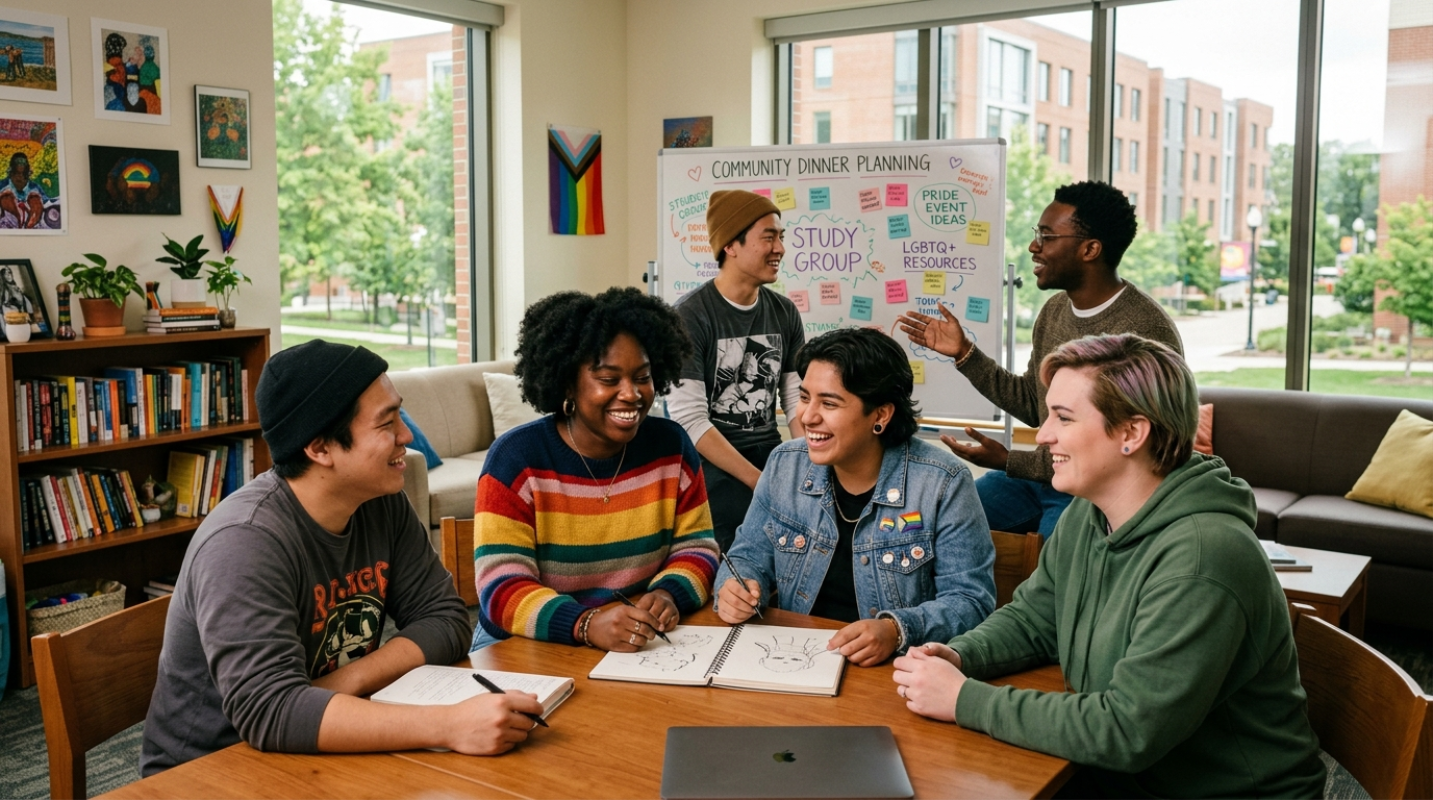
Think of an LLC like a specialized neighborhood within the sprawling city of a university. It's a place where students with similar interests or identities live together on the same floor or in the same building. But it goes beyond just sharing a hallway. You're also taking classes together, attending workshops, and building a support network that's baked into your housing contract.
In traditional dorm settings, the challenges for queer and trans students are real. Minority stress is a heavy weight to carry. It's that constant, low-level hum of anxiety that comes from being "othered." When you're in a space that wasn't built for you, every interaction can feel like a test. Should I come out to my roommate? Will they be cool with my partner visiting? Identity-based housing cuts through that noise. It creates a "soft landing" that lets you focus on your Bio 101 exam instead of worrying about whether your neighbor is a bigot.
The mental health side of this is huge. Last year, data showed that over 50% of non-binary students and 40% of trans students reported significant mental health struggles. Compare that to about 20% of their cisgender peers, and you see the gap. It's a crisis. But research consistently shows that when you're in an affirming residential space, those rates of anxiety and suicidal ideation actually drop. It's the "affirmation effect" in action.
What to Expect from an LGBTQ+ LLC
If you walk into a modern LGBTQ+ LLC today, you'll see things that might have seemed like a dream ten years ago. We're talking about gender-neutral bathrooms as the standard, not the exception. The roommate matching policies are actually thoughtful, too. Instead of a random algorithm throwing people together, these programs often use "gender-inclusive housing" models. This means you can live with whoever makes you feel safe, regardless of legal sex or gender identity.
But the "learning" part of the Living-Learning Community is just as important as the "living" part. You'll usually find faculty advisors and peer mentors who are either part of the community or dedicated allies. They aren't just there to unlock your door when you lose your keys. They're there to lead discussions on queer history or help you handle the bureaucracy of changing your name on campus records.
The programming is where things get fun. It's not all heavy academic lectures. You might have
- Queer Film Nights: Watching the classics (and the new stuff) with people who actually get the subtext.
- Advocacy Workshops: Learning how to organize for policy changes on campus.
- Intersectional Discussions: Talking about how being queer overlaps with race, disability, and religion.
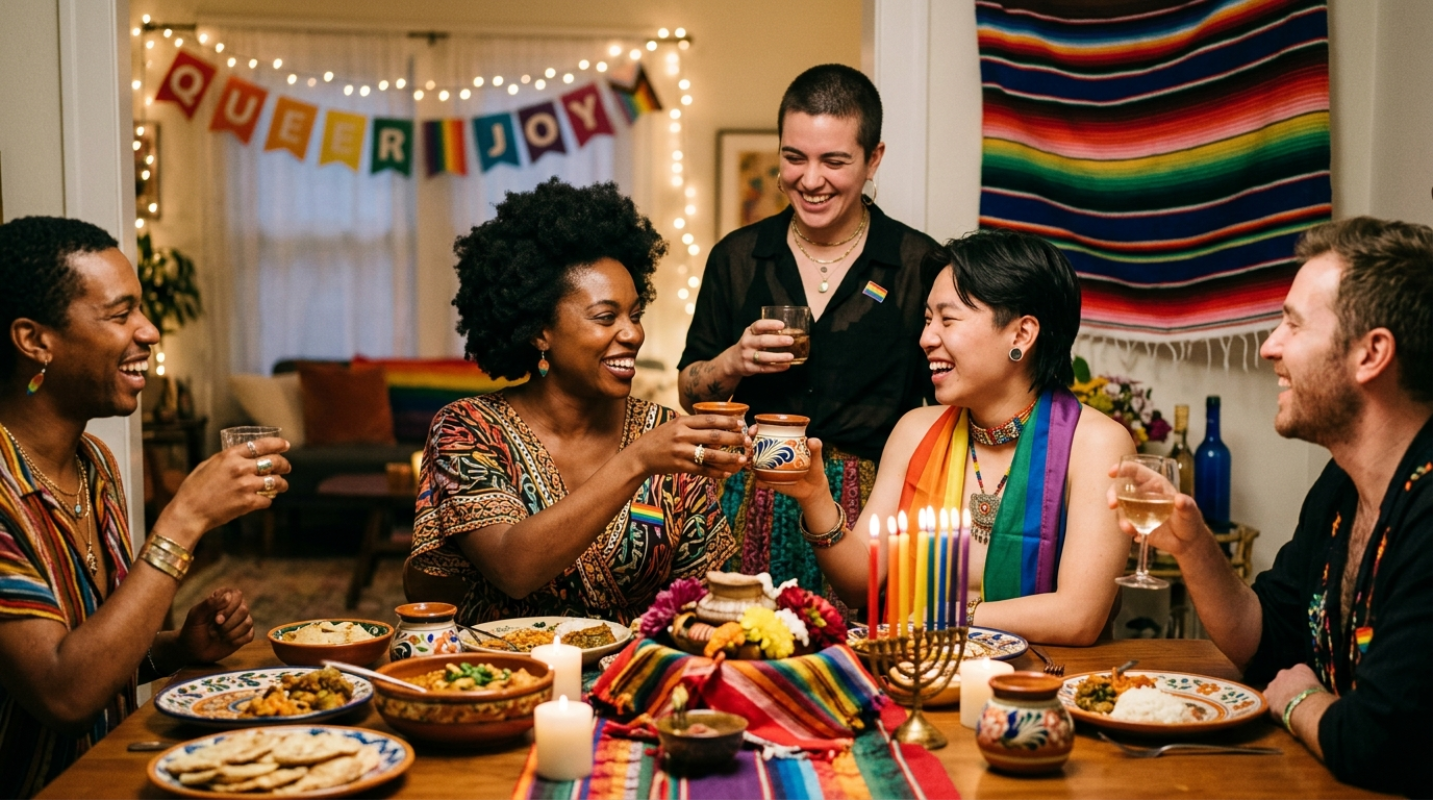
- Community Dinners: Just a space to eat and vent about your week without code-switching.
Real-World Impact & Evidence of Success
Let's talk numbers for a second because that's how universities decide what to fund. Retention is the big word in higher education right now. It's basically a fancy way of saying "keeping students from dropping out." For LGBTQ+ students, the risk of leaving is high. In 2024, surveys found that 33% of LGB students and 38% of trans students seriously considered leaving their schools because they didn't feel supported.¹
When a school creates a solid LLC, those numbers change. Look at Kent State University. They've found that students in their specialized communities have higher GPAs and stay in school at much higher rates than the general student body. It makes sense, right? If you feel like you belong, you're going to show up to class. If you're not spending all your energy on survival, you can spend it on your degree.
But the space is complicated right now. We're seeing a massive "geographic divide." In places like California, the state just dumped $10 million into supporting these programs across community colleges. But in states like Texas and Florida, things are getting tough. Because of laws like SB 17 in Texas, some schools have had to rebrand or even close their queer-specific centers.⁴ It's a painful time for students in those areas, which is why student-led fights, like the one at Florida State to keep their housing options, are so inspiring.
Choosing the Right Fit Questions for Prospective Students
If you're looking at colleges right now, you need to do your homework. Not all "inclusive" housing is created equal. Some schools just have a "rainbow floor" that's basically just a regular dorm with a sticker on the door. Others have fully integrated programs with their own budgets and staff. You want to find the one that actually puts its money where its mouth is.
When you're touring or emailing residential life offices, don't be afraid to get specific. Ask the awkward questions. You deserve to know what you're signing up for. Here are a few to get you started
- Access: Is this community open to all years, or is it just for first-year students?
- Integration: Are there specific classes I have to take to live here?
- Budget: Does the LLC have its own funding for events and trips?
- Safety: What happens if there's a conflict or a bias incident in the hall?
You also have to think about what you want your college experience to look like. Some people want to spend all four years in a queer-specific space. Others use it as a "home base" for their freshman year and then move into general housing once they've found their footing. There's no wrong way to do it. It's about finding the balance between having a niche community and engaging with the broader campus.
School Options
If you are looking for schools that are currently leading the way in 2026 with their residential programs, check out these specific models. They vary in size and focus, but they all offer more than just a place to sleep.
- UC Davis Rainbow Community: This one is legendary for its connection to the campus resource center and its focus on intersectionality.
- University of Minnesota Lavender House: They recently expanded to have separate floors for first-year and second-year students, which is great for continuity.
- Cornell University LGBT Studies LLC: Perfect for the academic-minded student, as it links directly to queer pop culture and classics courses.
- San Diego State Pride House: Known for its formal mentorship program that pairs you with upperclassmen who have "been there, done that."
- Norco College LGBTQ+ Learning Community: A great example of how community colleges are stepping up with themed English courses and mental health support.