 (Image source: BAG)
 Finding a place to call home should be an exciting milestone, but for the LGBTQ+ community, the process often comes with extra layers of stress. Everyone wants a kitchen with good light and a short commute to work, but queer renters also have to prioritize personal safety and social acceptance. Walking into an open house can feel like an audition where you are checking out the landlord just as much as they are checking out you. Realizing that a neighborhood or a building is not a good fit after you have already signed a lease is a situation nobody wants to face. Using a few strategic tips and keeping a sharp eye out for warning signs can make the hunt much smoother. Taking control of the process helps ensure that your new apartment is a true sanctuary where you can be yourself.
Research the Neighborhood Vibe
Starting your search with a deep dive into the local area is the best way to save time. Most cities have specific pockets where queer culture has deep roots, but those areas are often the most expensive. You can find more affordable spots by looking for neighborhoods that are transitioning or known for being artist-friendly. Check local social media groups or neighborhood forums to see how residents talk about diversity and inclusion. A quick scroll through a community Facebook page can tell you a lot about the local climate, which is the general mood or attitude of the people living there.
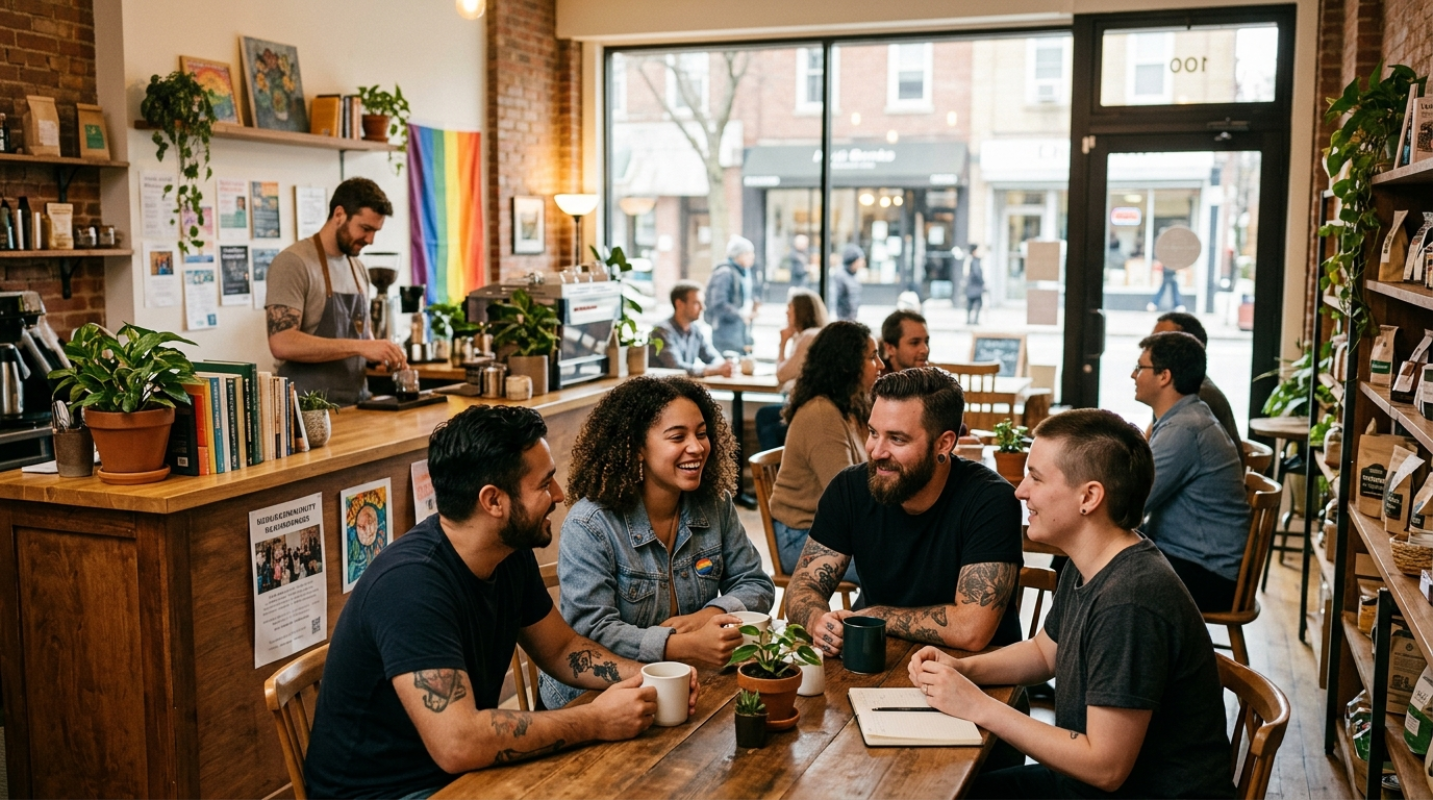
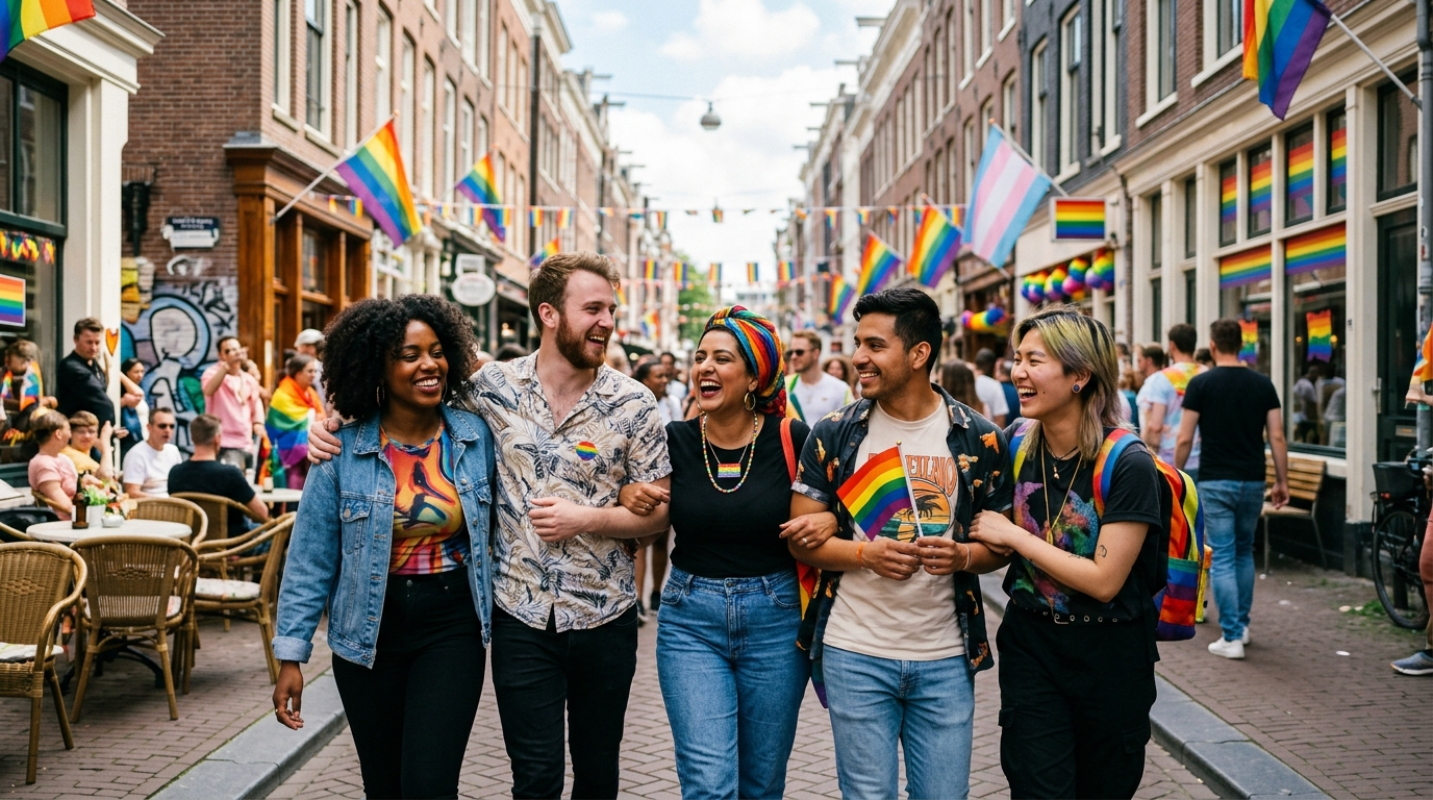
Walking through the neighborhood at different times of the day is a practical step you should not skip. Visit on a weekday afternoon and again on a Saturday night to see how the energy changes. Look for small signs of community, like pride flags in windows, posters for local queer events on telephone poles, or even just a diverse group of people hanging out at the local park. These visual cues are part of the social landscape, which helps you understand if you will feel like a neighbor or an outsider. Seeing people who look like you or your friends living their daily lives is a great sign that the area is a safe bet.
The Application Process and Legal Protection
Navigating the paperwork for a new apartment can be intimidating, especially when it comes to sharing personal information. You should be aware of your rights under the Fair Housing Act, which is a federal law that protects people from discrimination when they are renting or buying a home. Many states and cities have even stronger protections that specifically include sexual orientation and gender identity. Knowing the legal framework in your area gives you the confidence to stand up for yourself if a landlord asks questions that feel intrusive or inappropriate.
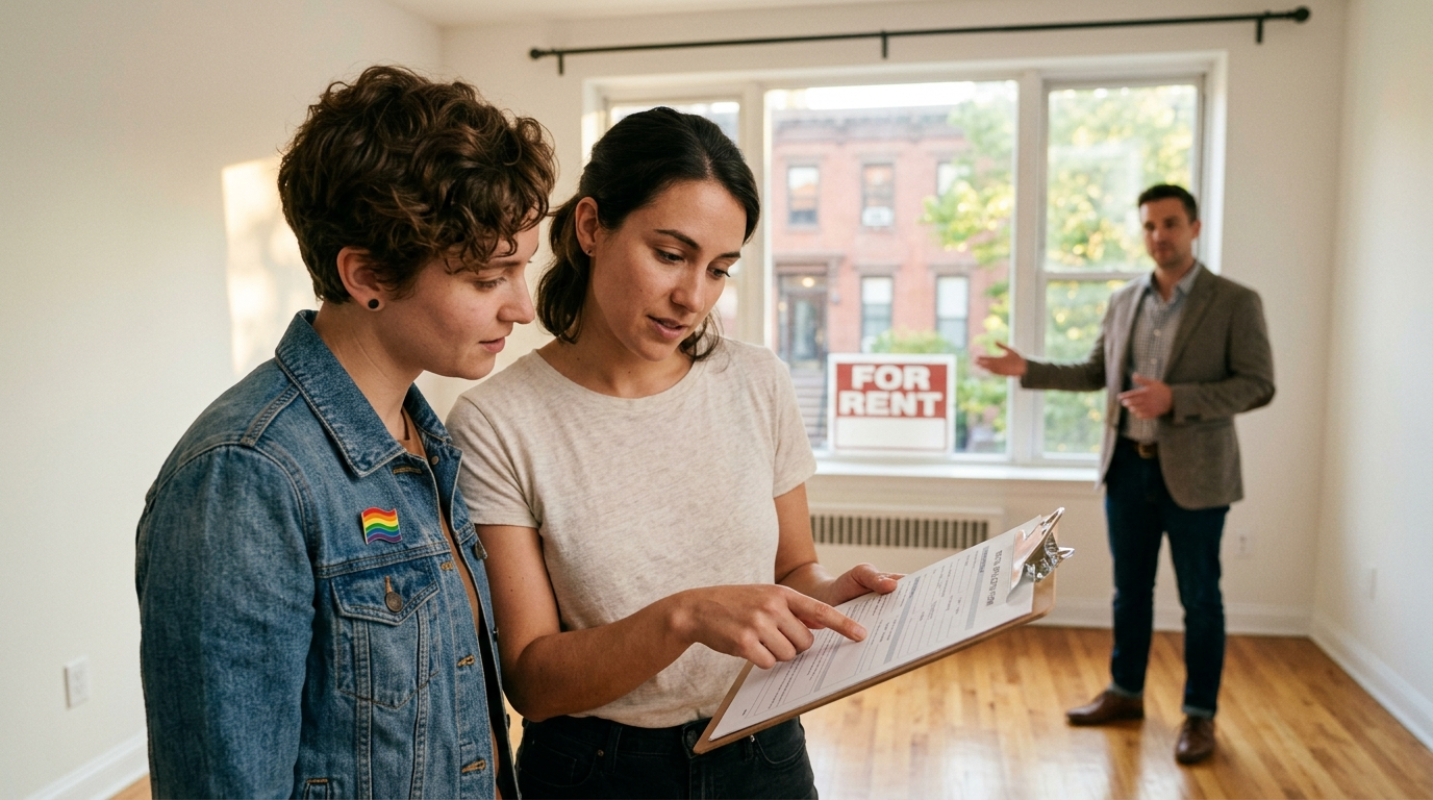
Landlords generally have the right to check your credit score and your income, but they do not have the right to judge your lifestyle or your partner. If you are applying with a partner or a roommate, pay attention to how the landlord reacts to your joint application. A professional landlord will focus on your ability to pay the rent on time rather than the nature of your relationship. Keeping a folder with your pay stubs, references, and a copy of the local housing laws makes you look like a prepared and serious candidate. This professionalism can often act as a shield against bias.
Green Flags to Look For
Spotting a good landlord or property manager early on can make your life much easier once you move in. A green flag is a positive sign that indicates a person or a situation is trustworthy and respectful. One major green flag is a lease that uses gender-neutral language. This means the contract uses words like tenant or resident instead of he or she. It shows that the property management company has updated its documents to be inclusive of all types of people.
Another positive sign is a landlord who is open and transparent about the other residents in the building. While they cannot give out private details, a landlord who mentions that the building has a diverse community or is welcoming to everyone is sending a clear signal of support. Pay attention to the amenities in the building as well. For example, a building with gender-neutral restrooms in the common areas or a gym that feels inclusive is a huge bonus. These features show that the owners have put thought into the comfort of all their tenants, not just the majority.
- Inclusive Contracts: Leases that use neutral terms for all parties involved rather than gendered language.
- Diverse Staff: Seeing a mix of different people working for the management company or maintenance crew.
- Community Spaces: Common areas like rooftops or lounges that feel welcoming and are used by a variety of residents.
- Visible Allyship: Businesses or flyers in the immediate lobby that promote inclusive events or services.
- Transparent Policies: A clear written process for how the building handles complaints about harassment or noise.
Major Red Flags During the Tour
Trusting your gut instinct is one of the most important tools you have during an apartment tour. A red flag is a warning sign that something might be wrong under the surface. If a landlord makes subtle digs or awkward comments about your appearance or your partner, it is a sign of things to come. You might hear them say things like, We usually have a different kind of crowd here, or ask if you plan on having certain types of visitors. These are microaggressions, which are small, indirect comments that show a person’s hidden biases.
Pay close attention to how the landlord talks about the current neighbors. If they use coded language to complain about diversity in the building, that is a massive red flag. A landlord who is judgmental during a twenty-minute tour will likely be even more difficult to deal with once you are living under their roof.
- Intrusive Questions: Asking about your marital status, family plans, or personal life in a way that feels like a test.
- Dismissive Behavior: Ignoring your questions or acting like your needs and concerns are not important.
- Hostile Environment: Seeing symbols of hate or exclusion in the hallways or common areas of the building.
- Strict Visitor Rules: Policies that seem designed to control who you can have over rather than ensuring building safety.
- Coded Complaints: The landlord speaking negatively about specific groups of people or local cultural events.
Strategic Questioning
You can learn a lot by asking pointed questions that don't necessarily reveal your identity right away. Ask the landlord how they handle neighbor disputes or what their policy is on harassment within the building. Their answer will tell you if they take tenant safety seriously or if they just want to stay out of it. A good landlord will have a clear, professional process for making sure everyone feels safe and respected in their homes.
Ask about the history of the building and how long most tenants stay. A building with high turnover is often a sign of poor management or a neighborhood that is not very stable. On the other hand, if people have lived there for years, it usually means the landlord is fair, and the environment is peaceful. You can also ask about security measures, such as how packages are handled or how guests enter the building. These details contribute to your overall sense of security and well-being, which is the state of being comfortable, healthy, and happy.
- Safety Protocols: What is the protocol if a tenant feels unsafe due to a neighbor's behavior?
- Community History: How long has the average tenant lived in this building?
- Conflict Resolution: How are complaints between neighbors usually resolved by management?
- Local Insight: What are some of the community events that happen in this neighborhood?
- Building Standards: What are the rules regarding personalizing the exterior of your door or window space?
The Roommate Search
Finding a queer-friendly roommate is often just as important as finding the right apartment. Many people use specialized platforms or apps that are designed specifically for the LGBTQ+ community to find housemates. When interviewing a potential roommate, be upfront about your boundaries and what you need to feel comfortable in a shared space. It is better to have an awkward conversation now than a major conflict six months into a lease.
Discuss things like guest policies and how you both feel about hosting community events. If your roommate is an ally, make sure they understand what that actually means in a shared living situation.
Safety Measures After Move-In
Once you have found the perfect spot and signed the lease, there are a few things you can do to anchor yourself in the new space. Installing a security camera or a video doorbell is a common way to feel more secure in a new area. You should also take the time to introduce yourself to your immediate neighbors. Building a rapport with the people next door can be a great safety net.
If you feel safe doing so, putting a small pride sticker or a flag in your window is a way to claim your space. This not only makes you feel more at home but also helps other queer people in the neighborhood feel less alone. It is a way of contributing to the visibility of the community. However, your safety is always the most important thing. If you feel like a flag would make you a target, it is perfectly okay to keep your pride inside your home where it is safe and private.
- Security Upgrades: Adding secondary locks or door cameras where permitted by the lease.
- Neighbor Rapport: Introducing yourself to those living directly next to you to establish a friendly connection.
- Space Personalization: Decorating your interior to reflect your identity and make the space feel like a sanctuary.
- Visibility Choices: Deciding whether to place inclusive symbols in windows based on your comfort level.
- Emergency Contacts: Sharing your new address with a trusted friend and setting up a check-in system.