 (Image via
We are culturally conditioned to view romantic relationships as the pinnacle of human connection. We are sold the idea that finding "The One" is the ultimate achievement, the final boss level of adulthood where you unlock eternal happiness and someone to split the rent with. But for many in the LGBTQ+ community, and gay individuals specifically, this hierarchy is often flipped on its head. While the search for romance is alive and well (and frequently exhausting), the true masterclass in intimacy isn't happening on dates. It is happening at brunch, in group chats, and on the couches of our best friends.
Friendship within the gay community is not a consolation prize for those waiting for a husband. It is often the main event. It is a forge where we learn how to love, how to be seen, and how to navigate the messy, beautiful complexity of human connection. These platonic bonds are frequently more durable, more honest, and surprisingly, more intimate than the romantic entanglements that capture so much of our attention. If we pay attention, our friendships offer a blueprint for real intimacy that can transform not just how we relate to our buddies, but how we approach love itself.
The Safe Harbor Of Chosen Family
For many gay people, the concept of "home" is complicated. Biological families can be sources of love, but they can also be sites of trauma, silence, or conditional acceptance. This is where the chosen family steps in, not as a replacement, but as a necessary evolution. Your chosen family, those friends who have witnessed your awkward phases, your questionable fashion choices, and your evolution into your authentic self, provides a specific kind of safety that is the bedrock of real intimacy.
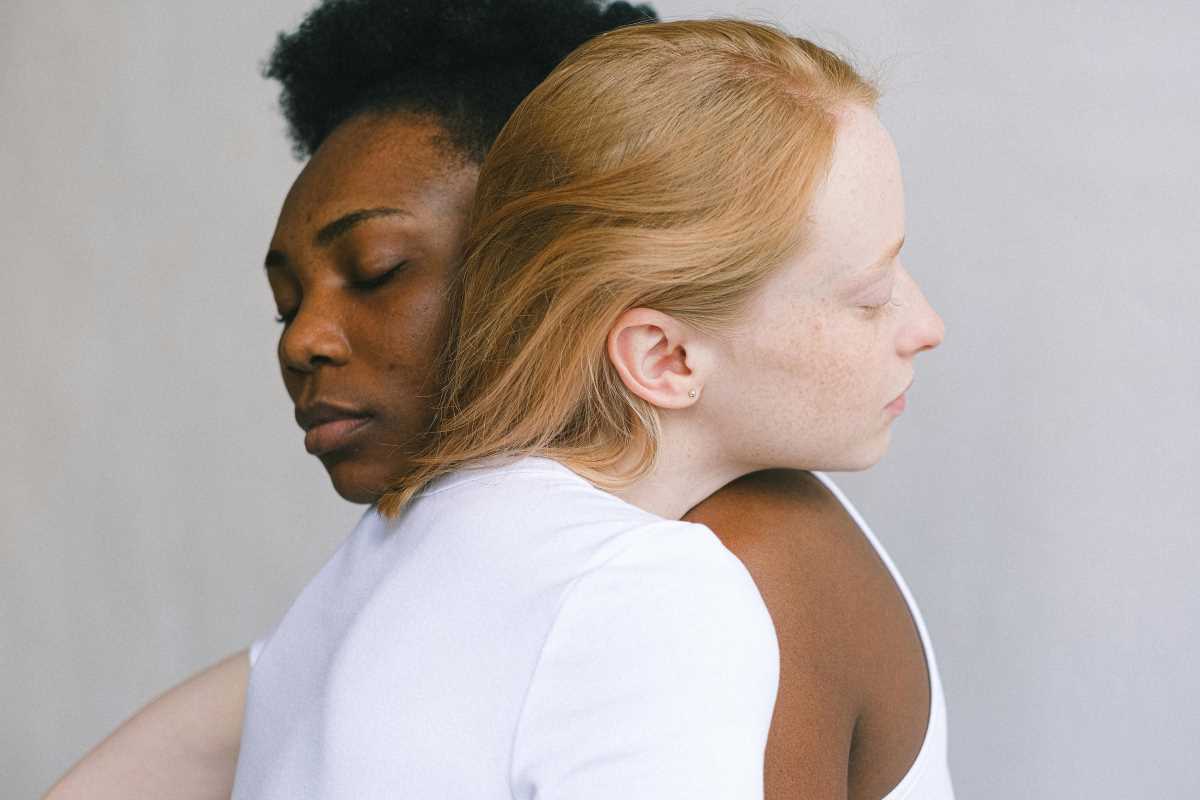
In these friendships, the intimacy comes from a lack of performance. You don't have to explain why a certain comment hurt you; they already know the context. You don't have to tone down your mannerisms or edit your history. This creates a "safe harbor" dynamic where you are loved not in spite of your queer identity, but fully encompassing it. Real intimacy requires safety. It requires knowing that you can drop the mask you might wear for the rest of the world and still be embraced.
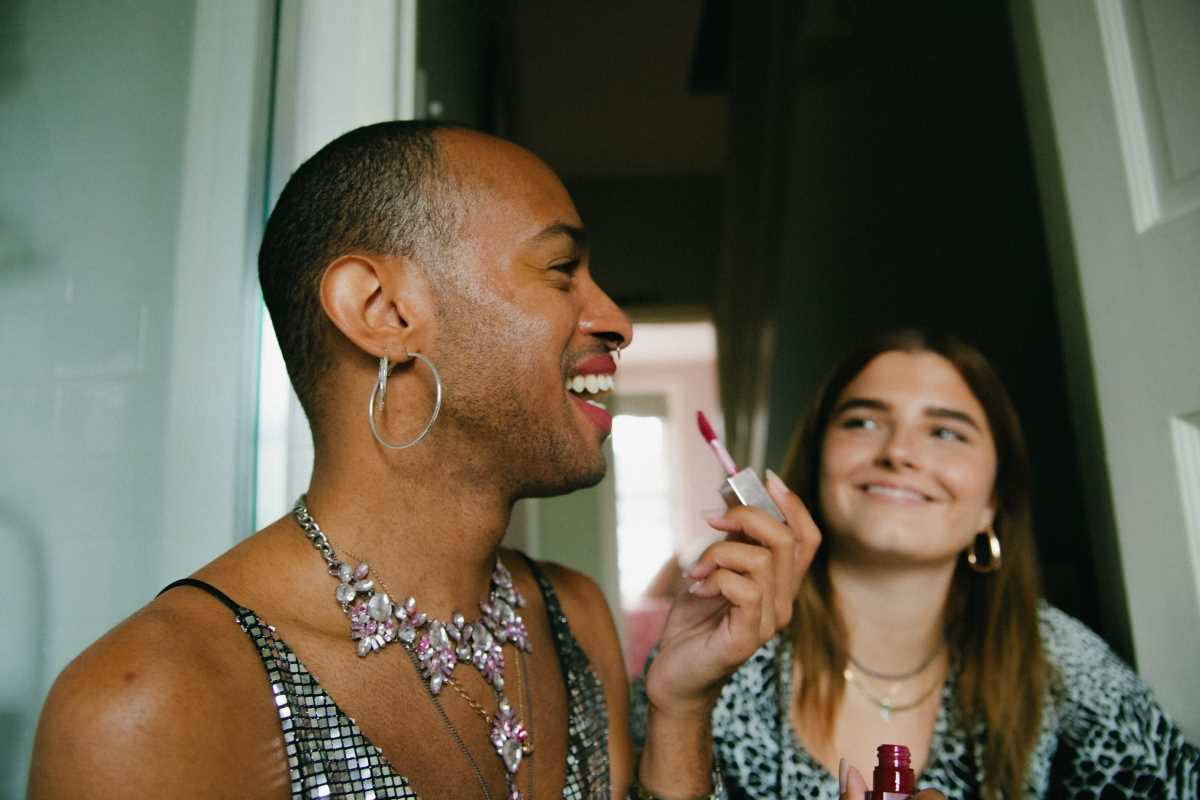
When you are with your closest friends, there is often a physical and emotional ease that dating rarely affords early on. You might pile onto a sofa together, share clothes, or have keys to each other's apartments. This proximity breeds a comfort level that teaches us a vital lesson: intimacy isn't just about grand romantic gestures. It is about the quiet, consistent presence of people who know the worst parts of you and stick around anyway. It is the realization that you are lovable on a Tuesday night when you are cranky and look a mess, not just on a Saturday night when you are perfectly groomed for a date.
Vulnerability Without The Performance Of Romance
Dating, especially in the age of apps, is often a performance art. We curate our profiles, we rehearse our witty anecdotes, and we present a polished, "best self" version of reality. We are trying to sell a fantasy, or at least a very promising reality. Friendship, however, demands the opposite. It thrives on the uncurated, gritty truth.
Think about the conversations you have with your best friend versus a guy you have been seeing for three weeks. With the new guy, you might gloss over your anxieties or your irrational fear of pigeons. With your friend, you are likely hyper-analyzing those anxieties and laughing about the pigeons. Friendship teaches us that vulnerability is not a weakness to be hidden until the third month of a relationship; it is the glue that holds the connection together.
True intimacy requires the risk of being seen as messy. In our friendships, we practice this daily. We cry over things that seem trivial, we vent about our insecurities, and we admit when we are jealous or petty. And the miracle is that the friendship doesn't break; it deepens. This is a radical lesson for romantic intimacy. It suggests that if we stopped trying to be "perfect" partners and started being real people, our romantic relationships might actually have a fighting chance. We learn that sharing our fragilities invites the other person to do the same, creating a feedback loop of trust that is far sexier than any carefully crafted dating profile persona.
Navigating Conflict, The Low Stakes Training Ground
One of the greatest myths about love is that it means never fighting. The reality, of course, is that if you aren't fighting occasionally, one of you is probably not being honest. But in romantic relationships, conflict often feels catastrophic. It triggers fears of abandonment: "If we argue about this, will we break up?" This fear can lead to repression and resentment. Friendships, on the other hand, offer a unique training ground for conflict resolution because the stakes, while high emotionally, usually don't involve the threat of immediate separation.
You can get into a heated debate with your best friend about a movie, a political issue, or their terrible taste in men, and know that you will still be friends tomorrow. You learn how to navigate disagreement without hitting the nuclear button. This resilience is crucial for intimacy. It teaches us that alignment is not a prerequisite for connection. You can disagree, you can be annoyed, and you can still love each other fiercely.
Here are just a few of the critical conflict-resolution skills we unknowingly master through our friendships:
- The Art of the Reset: Learning that you can step away from a heated moment, cool down, and come back to the table without holding a grudge forever.
- Calling Out Nonsense: Friends have a unique license to tell you when you are being unreasonable or self-sabotaging, teaching us to accept constructive criticism without collapsing.
- Forgiveness as a Practice: We forgive friends for being late, for forgetting birthdays, or for saying the wrong thing, realizing that the relationship is more valuable than being "right."
- Separating the Person from the Problem: Understanding that your friend isn't a bad person just because they did something annoying allows for a more compassionate view of human error.
- Showing Up Anyway: The realization that you still have to support them at their art show even if you had a spat that morning, because commitment overrides temporary feelings.
The Fluidity Of Connection, Where Lines Get Blurred
One of the most unique and often misunderstood aspects of gay culture is the fluidity between friend and lover. It is a running joke that lesbians move in together on the second date and gay men stay friends with all their exes, but there is profound truth and wisdom in this stereotype. In the straight world, an ex is often someone to be deleted, blocked, and forgotten. In the gay world, an ex is often the person sitting next to you at dinner six months later.
This fluidity teaches us a master-level lesson in intimacy: love transforms, it doesn't have to end. Just because the sexual or romantic component of a relationship didn't work out doesn't mean the intimacy you built is garbage. By transitioning from partners to friends, gay men demonstrate a capacity to value the human connection above the label. It shows that intimacy is not a fragile vase that shatters if dropped; it is more like water, capable of changing shape to fit a new vessel.
This blurred line also applies to friends we may have hooked up with once or twice. In many gay circles, sex can be a part of friendship without ruining it. This destigmatizes physical intimacy, framing it as just another way to connect rather than a heavy, morality-laden contract. It teaches us that we can define our relationships on our own terms. We don't have to follow a heteronormative script that says "friend" and "lover" are mutually exclusive categories separated by an iron wall. This flexibility allows for a richer, more nuanced web of support and love, proving that intimacy is expansive, not restrictive.
Translating Platonic Gold Into Romantic Currency
So, what happens if we take all these lessons, the safety, the vulnerability, the conflict resolution, and the fluidity, and apply them to our romantic pursuits? We might find that the "perfect" man we are looking for needs to look a lot less like a fantasy prince and a lot more like a best friend.
When we prioritize the qualities we value in friendship, humor, reliability, ease, shared values, in our romantic partners, we set ourselves up for success. Instead of asking, "Is there a spark?" we might start asking, "Can I be my ugliest self around this person?" Instead of worrying about whether we impress them, we might focus on whether we feel safe with them.
Friendship teaches us that real intimacy is a slow burn. It is built on thousands of small moments: the shared glances, the inside jokes, the silent car rides. It isn't the dramatic fireworks of a rom-com climax. By lowering the pressure for romance to be magical and allowing it to be real, we open the door to a deeper kind of love. We start to understand that our soulmates might not be the people who sweep us off our feet, but the ones who help us stand back up when we fall.
Ultimately, looking at our friendships gives us hope. It proves that we are capable of deep, enduring, unconditional love. We have already done it. We have built these incredible networks of support and care. We know how to do the work. The challenge, and the opportunity, is to trust that this same grounded, messy, beautiful energy is exactly what belongs in our romantic lives too. Real intimacy isn't a destination we have to find; it is a skill we have been practicing with our friends all along.