 (Image via
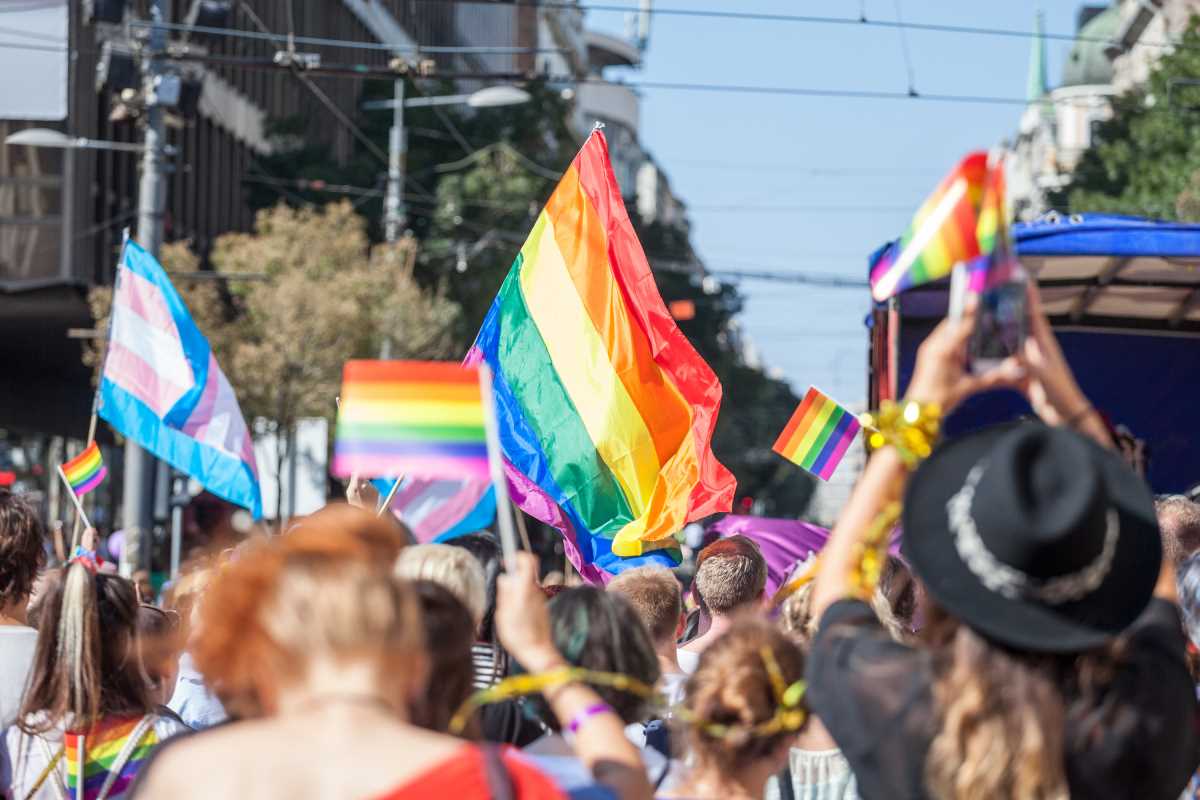
Modern Pride events look like massive outdoor festivals full of rainbow flags and chart-topping music. Many people forget that this joy was bought with incredible courage during much darker times. The 1980s and 1990s were decades of both immense creativity and deep tragedy for the LGBTQ+ community. Heroes emerged from the shadows to fight for medical care, housing, and the simple right to exist. They were dancers, artists, and neighbors who refused to let fear win during the height of the HIV/AIDS epidemic. These unsung icons built the foundations of our modern world through sheer willpower and community love. Understanding their stories helps us appreciate the true meaning of the progress we see today.
Stormé DeLarverie
Every story about modern civil rights needs a protector. Stormé DeLarverie held that role for decades in Greenwich Village. People often call her the "Guardian of Lesbians" because she spent her nights patrolling the streets to ensure everyone stayed safe. She was a biracial, butch lesbian who defied gender norms long before it was trendy. Her career began as a singer and MC for the Jewel Box Revue, which was the first racially integrated drag show in North America. She performed in a sharp suit and tie, confusing and delighting audiences who couldn't always tell she was a woman.
The 1980s saw her transition into a legendary bouncer at several famous New York clubs. She was a tall, imposing figure with a heart of gold for her community. Legend says a scuffle involving her actually sparked the Stonewall Uprising in 1969. She carried that fire through the 90s, acting as a surrogate mother to younger queer kids who had been kicked out of their homes. Her presence provided a sense of security in a city that often felt hostile toward people who were different. She proved that being tough and being kind are not mutually exclusive.
Sylvester
Music has always been a way for marginalized people to speak their truth. Sylvester James Jr., known simply as Sylvester, became the "Queen of Disco" during a time when being gender-fluid was dangerous. He performed in shimmering gowns and high-energy sequins, hitting high notes that most singers could only dream of reaching. His hit song "You Make Me Feel (Mighty Real)" became an anthem for self-expression. He refused to hide his identity or tone down his flamboyant style for mainstream success.
The 1980s were a turning point for his career and his personal life. He stayed true to his roots in the San Francisco drag and gospel scenes even as he climbed the charts. He used his platform to raise awareness about the HIV/AIDS crisis before the government took it seriously. His death in 1988 was a massive loss, but he left behind a legacy of unapologetic black queer joy. He taught the world that you don't have to fit into a box to be a superstar. Modern artists like Lil Nas X or Billy Porter owe a debt to the trail Sylvester blazed through the disco lights.
Willie Ninja
Willie Ninja was the "Grandfather of Vogue" and a central figure in the Harlem ballroom scene. Ballroom culture was a safe space where Black and Latino LGBTQ+ youth could compete in categories that celebrated their identities. Willie took the movements he saw in fashion magazines and turned them into a sharp, athletic dance style called "vogueing." He founded the House of Ninja, creating a structured support system for people who had lost their biological families.
Documentaries like Paris Is Burning brought Willie’s talent to a wider audience in the early 90s. He traveled the world teaching models how to walk and choreographing music videos for major stars. His goal was always to bring the artistry of the ballroom to the mainstream without losing its soul. He viewed dance as a weapon against the hardships of the era. The House of Ninja continues to thrive today, proving that community bonds are stronger than any trend. His precision and grace showed the world that queer subcultures were full of genius.
Marsha P. Johnson and Sylvia Rivera
History often focuses on the beginning of a movement, but these two women stayed for the long haul. Marsha P. Johnson and Sylvia Rivera were best friends and veterans of the Stonewall Uprising. The 1980s and 1990s saw them focusing on the most vulnerable members of the community: homeless youth and trans people of color. They understood that legal rights didn't mean much if you didn't have a roof over your head or food on your plate. Their organization, S.T.A.R. (Street Transvestite Action Revolutionaries), provided a makeshift home for those living on the margins.
Marsha was known as the "Saint of Christopher Street" for her habit of giving away her last dollar. Sylvia was a fierce advocate who famously called out the mainstream gay rights movement for ignoring trans people and the poor. They faced extreme poverty and discrimination themselves, yet they never stopped fighting. Marsha’s mysterious death in 1992 devastated the community, but Sylvia continued her work until the early 2000s. They are the reason we include the "T" in LGBTQ+ today. Their lives remind us that true activism starts with helping the person standing next to you.
Pedro Zamora
MTV changed the landscape of television in 1994 with a show called The Real World: San Francisco. A young Cuban-American man named Pedro Zamora became a household name overnight. He was one of the first openly gay, HIV-positive people to appear on a major reality TV show. Viewers watched him fall in love, argue with roommates, and deal with his declining health. He humanized a disease that many people viewed with fear and judgment. He turned his personal struggle into a national classroom.
President Bill Clinton eventually praised Pedro for his work in educating the public about AIDS. He spoke to Congress and schools, breaking down medical jargon into terms that everyday people could understand. His presence on television forced families to have difficult conversations at their dinner tables. He died just hours after the final episode of his season aired, but his impact was permanent. He proved that sharing your story is one of the most powerful tools for social change. He made it impossible for the world to look away from the reality of the epidemic.
Keith Haring
Art belongs to the people, not just expensive galleries. Keith Haring realized this early on and used the New York City subway system as his canvas in the 1980s. He drew simple, bold figures that looked like they were dancing or radiating energy. His work was accessible to everyone from Wall Street bankers to school kids. He used these "radiant babies" and barking dogs to convey messages of love, peace, and social justice. His art became a visual language for a generation that was often silenced.
Diagnosis with HIV in 1988 shifted his focus toward activism. He created the Keith Haring Foundation to fund AIDS research and children’s charities. His famous "Silence = Death" and "Ignorant = Fear" posters became symbols for the activist group ACT UP. He worked quickly, knowing his time was limited, and completed murals all over the world. His style is still instantly recognizable on T-shirts and museum walls today. He showed that creativity can be a form of protest and a way to leave a permanent mark on the world.
Miss Major Griffin-Gracy
Prisons are often the most dangerous places for trans women of color. Miss Major Griffin-Gracy spent decades fighting to change that. She is a veteran of the Stonewall Uprising who dedicated her life to the "girls" behind bars. The 1990s saw her deepening her work in San Francisco, focusing on healthcare and legal rights for those the system ignored. She recognized that the police and the prison system often targeted her community more than others. She became a mother figure to thousands of trans women who needed guidance and protection.
Community support was the foundation of her work. She helped lead the Transgender Variant and Intersex Justice Project to provide direct services and advocacy. She spoke out against "respectability politics," which is the idea that queer people should act "normal" to get rights. She insisted that everyone deserved dignity exactly as they were. Her voice remains a powerful force in the movement for abolition and trans liberation today.