 (Image source: BAG)
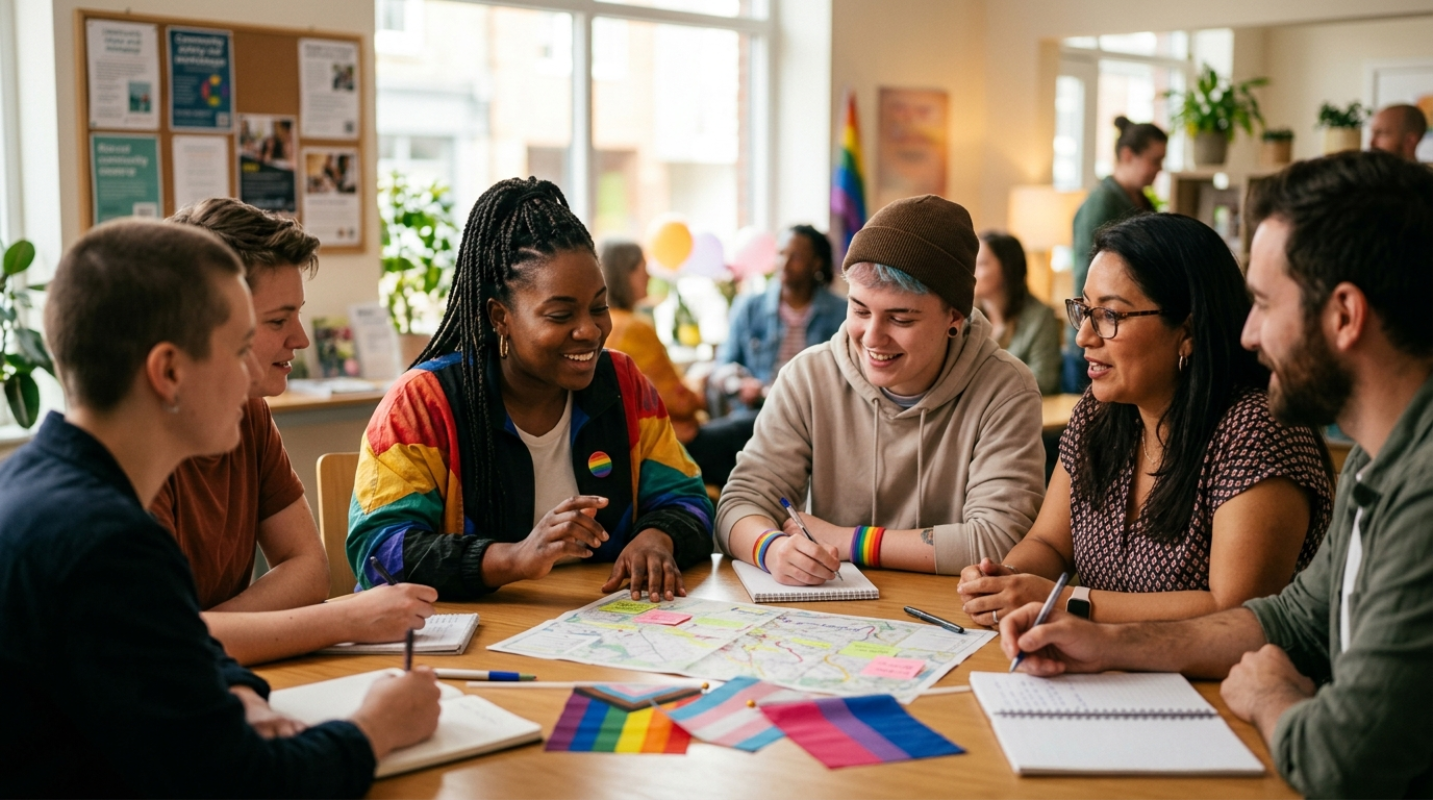
 Living your best, most authentic life as an LGBTQ person feels amazing, but navigating the world sometimes requires some extra strategy. We all want to feel secure in our identities and our physical spaces every single day. I want to focus on real-world safety approaches that help you stay protected without dimming your shine. Safety should be creating a personal environment where you can truly thrive without worry. We are diving deep into digital privacy, physical surroundings, and social boundaries to give you a toolkit for modern life. Being informed is a superpower that allows you to walk through the world with much more confidence.
Mastering Your Digital Footprint
Dating apps are incredible for meeting people, but they require a high level of caution. Verification features should be your best friend. Many apps now allow you to "verify" your profile with a selfie to prove you are who you say you are. Only interact with verified profiles to weed out "catfish" or people with bad intentions.
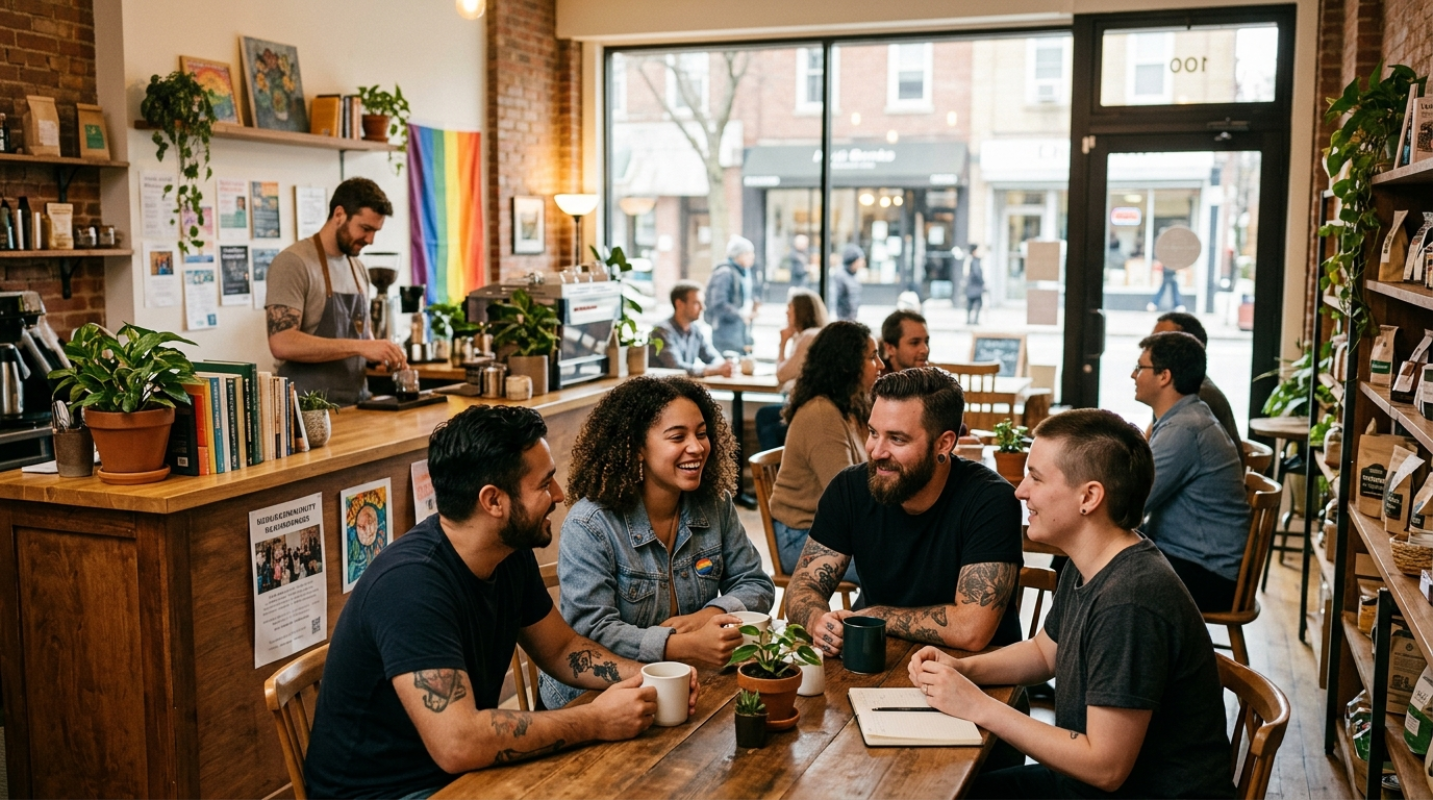
Meeting a stranger for the first time should always happen in a very public, well-lit place. Coffee shops or busy parks are much better choices than a private home or a secluded area. Tell a trusted friend exactly where you are going and who you are meeting. Sending a screenshot of your date's profile to a roommate or sibling adds an extra layer of security. Apps like Circle of 6 allow you to send a pre-programmed "come get me" text to six friends with your exact GPS coordinates should a date turn sour.
Privacy Settings and VPNs
Social media accounts often reveal more than we realize. Checking your privacy settings every few months ensures that only your chosen "Friends" or "Followers" can see your location, photos, and personal details. Location tagging is especially risky. Avoid tagging your exact location in a post until after you have already left that venue.
Virtual Private Networks (VPNs) are essential tools for anyone using public Wi-Fi. Public networks at cafes or airports are notoriously easy to hack. A VPN encrypts your data, making it much harder for strangers to see what you are doing or steal your login information. This is particularly important for people who might be living in areas where being LGBTQ is legally or socially restricted.
The Buddy System and Safe Havens
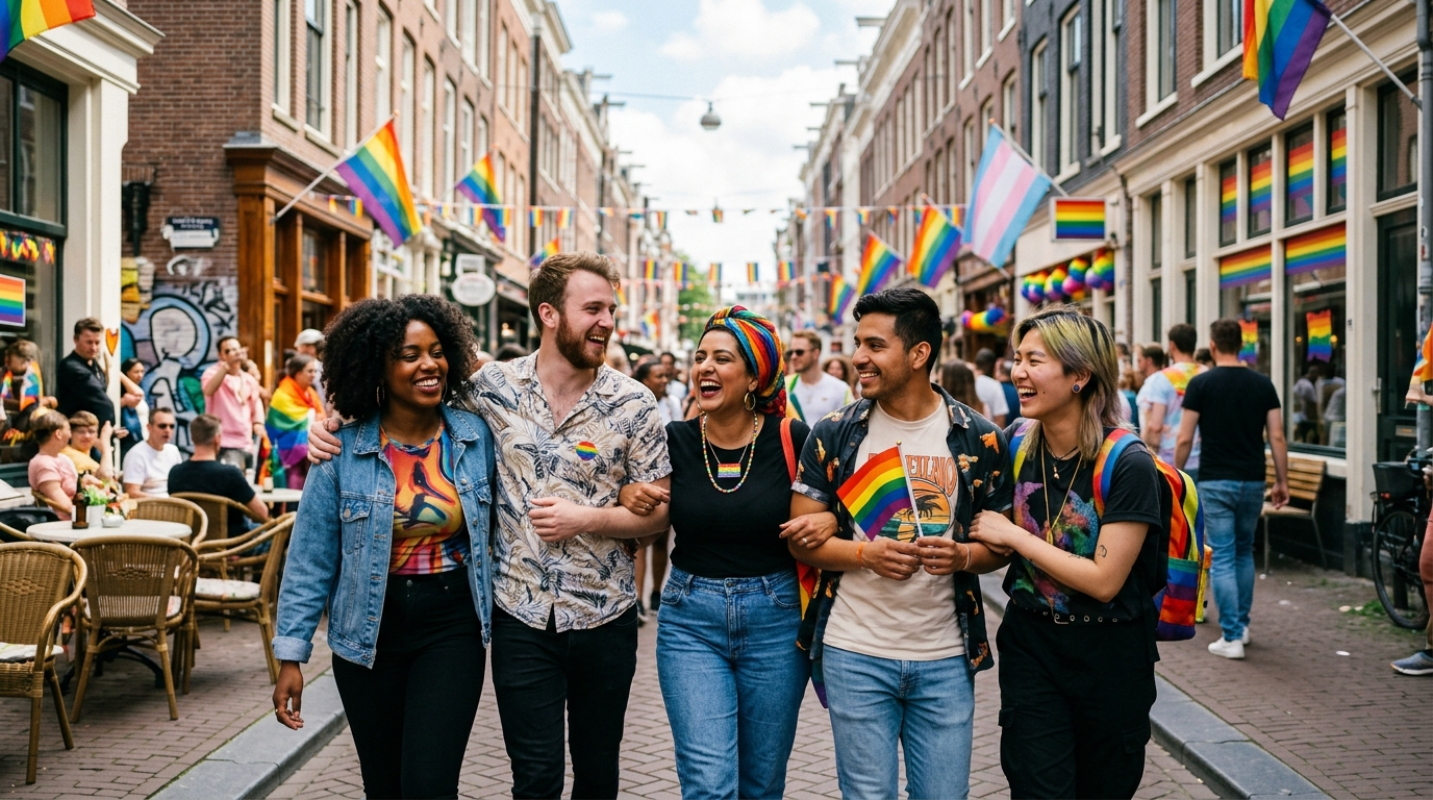
The "buddy system" remains one of the most effective safety strategies ever invented. Walking in a group or with at least one other person significantly lowers the chance of facing harassment. This is especially true when leaving LGBTQ-specific venues late at night, as these areas can sometimes be targeted by people looking for trouble.
Safe havens are locations where you know you can go should you feel threatened or uncomfortable. Look for "Safe Space" stickers in shop windows, which often indicate that the business has trained its staff to assist people in distress. Community centers, public libraries, and even certain inclusive religious buildings can serve as temporary refuges. Knowing the location of the nearest 24-hour business, like a pharmacy or a diner, provides a backup plan in any neighborhood.
Identifying Risk and De-escalation
Awareness is your most powerful tool. Scanning a room when you enter helps you identify exits and get a "vibe check" on the crowd. Trusting your gut is a survival skill. Getting a weird feeling about a person or a street is enough of a reason to change your path. De-escalation involves using your words and body language to calm a tense situation down. Avoiding eye contact with an aggressor and moving toward a crowded area is often the best move. Engaging in an argument with someone who is being hateful rarely ends well and can put your physical safety at risk. Prioritize getting away safely over having the last word. Calmly walking away or ignoring an insult might feel like losing in the moment, but it is often the safest tactical choice.
Social and Emotional Security
Choosing when and how to come out is a personal decision that impacts your safety. There is no "right" way to do it, and you are never obligated to share your identity with someone who makes you feel unsafe. Testing the waters by bringing up LGBTQ topics in conversation can help you gauge someone's reaction before you share your own story.
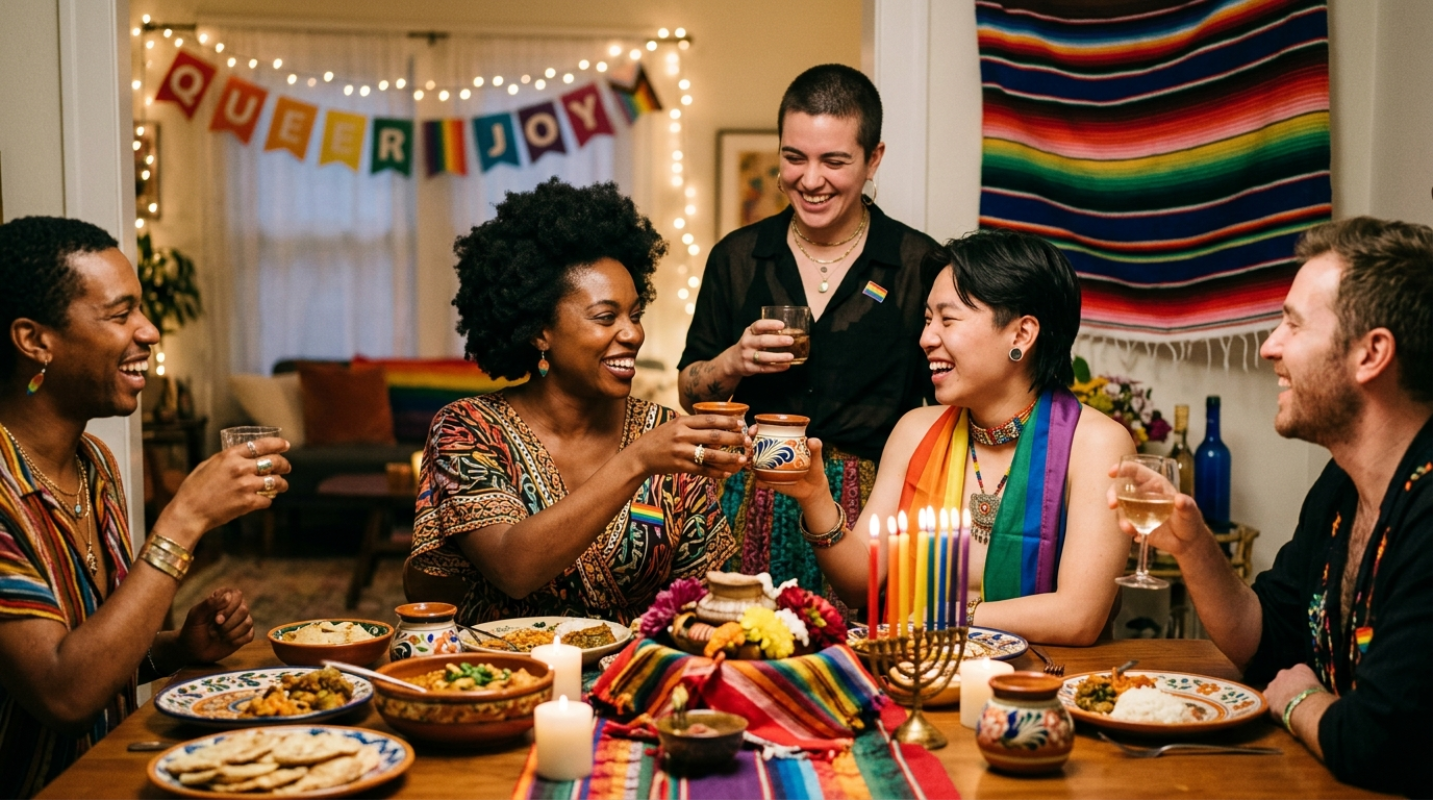
Boundaries with family and friends are necessary for emotional health. Limiting contact with people who refuse to respect your pronouns or identity is a valid form of self-protection. Surrounding yourself with "chosen family", people who love and support you unconditionally, creates a buffer against the stresses of the outside world. This support network provides a safety net during difficult times.
Mental Health Resources
Safety includes your internal state. LGBTQ people often face higher rates of stress and anxiety due to societal pressure. Finding a therapist who is specifically "LGBTQ-affirming" ensures that you don't have to explain your identity while trying to heal. Organizations like The Trevor Project or The Crisis Text Line provide 24/7 support for those feeling overwhelmed or unsafe. Taking care of your mind is just as important as protecting your body.
Travel and Legal Considerations
International travel requires a look at local laws. Some countries have strict laws against LGBTQ expression. Websites like Equaldex or the ILGA World Map provide up-to-date information on the legal status of LGBTQ rights in every country. Knowing the legal landscape helps you decide how much of your identity you feel comfortable sharing in that specific location. Local LGBTQ organizations in your destination city often have "traveler guides" that point out the safest neighborhoods and venues.
Documentation and Passports
Transgender and non-binary travelers may face extra hurdles with documentation. Ensuring your ID matches your presentation as much as possible can prevent awkward or invasive questions at security checkpoints. The National Center for Transgender Equality offers comprehensive guides on how to update passports and state IDs to reflect your correct gender marker. Keeping a digital copy of your medical prescriptions or a letter from your doctor regarding gender-affirming care can also help resolve misunderstandings with customs or security.
Healthcare and Medical Safety
Affirming care means the medical staff respects your identity and uses your correct name and pronouns. Using directories like the GLMA (Gay and Lesbian Medical Association) provider search helps you find doctors who are trained in LGBTQ health issues. This prevents "medical gaslighting," where doctors dismiss your concerns because of your identity. A doctor who is an ally will make you feel comfortable enough to be honest about your health, which leads to better care.
Privacy and Rights
Confidentiality is a legal right. Medical records are protected by laws like HIPAA in the United States, but you should still be clear with your provider about what information you want kept private. Disclosing your status or identity to a doctor is important for your health, but you have the right to know how that information is stored and who can see it. Requesting a "confidential" note in your file can sometimes provide extra protection if you are concerned about family members seeing your records.
Community Vigilance
Knowledge is the foundation of a safe life. Looking out for one another is the heartbeat of the LGBTQ community. Sharing information about unsafe locations or helpful resources keeps everyone more secure. Our ancestors relied on "underground" networks to stay safe, and today we use technology and open communication to do the same.
Safety is a collective effort, and when we empower ourselves with the right tools, we create a world where we can all live authentically and without fear. Staying alert, setting boundaries, and using technology wisely allow you to focus on yourself. Your identity is a source of strength, and protecting it is an act of pride. We move forward by being smart, staying connected, and refusing to let fear stop us from living full, vibrant lives. Together, we can build a future where every member of our community feels secure enough to shine.