 (Image source: BAG)
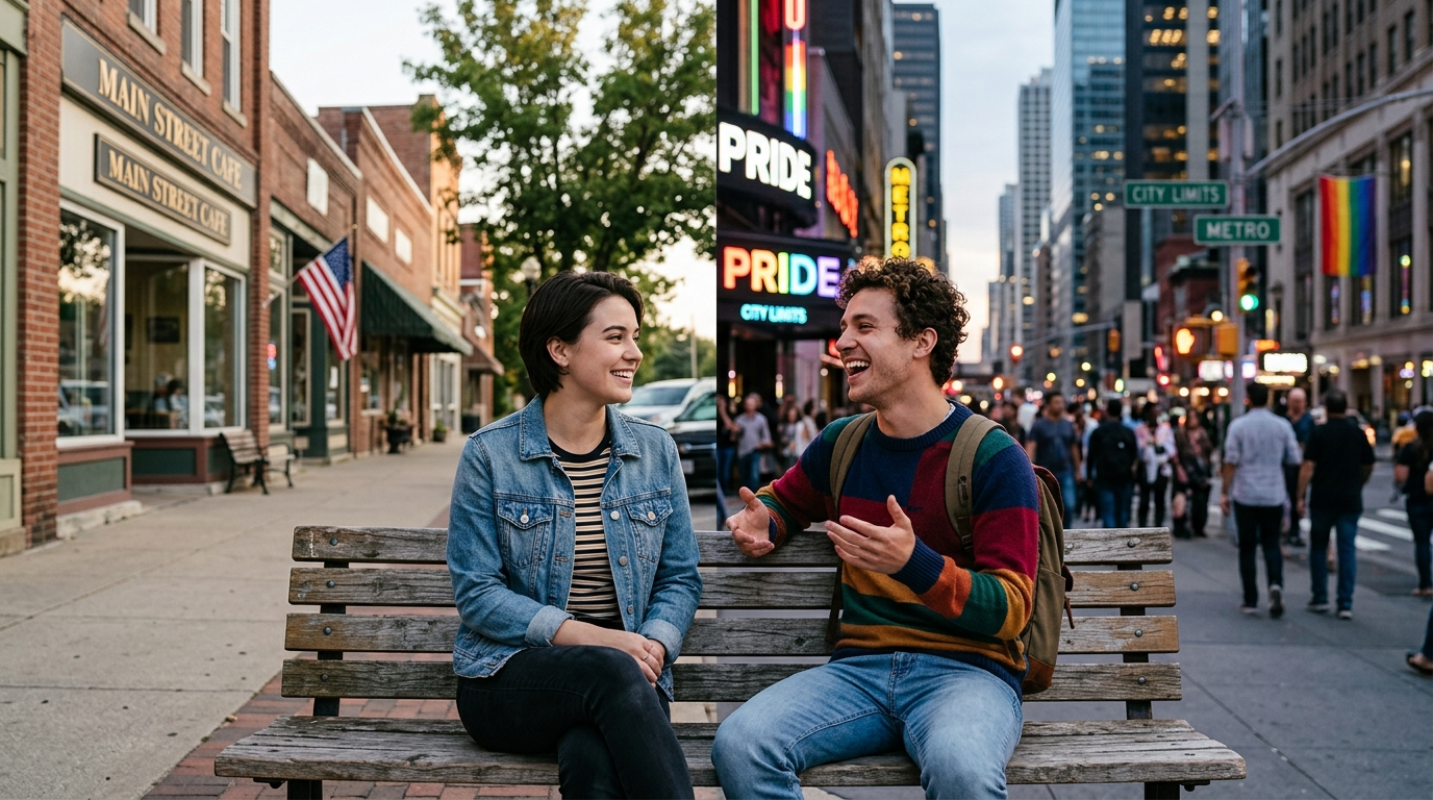
 Deciding where to live is one of the biggest choices a person can make, especially for members of the LGBTQ+ community. Big cities are often seen as the ultimate "mecca," a word used to describe a place that attracts a specific group of people like a magnet. Small towns, on the other hand, are frequently viewed as places to escape, though that story is starting to change for many. Life in a skyscraper-filled city is vastly different from life in a quiet village with one main street. Each environment offers a unique set of "trade-offs," which are the balances between the good things you gain and the things you have to give up. Understanding these daily experiences helps people find the spot that feels like home.
The Big City:
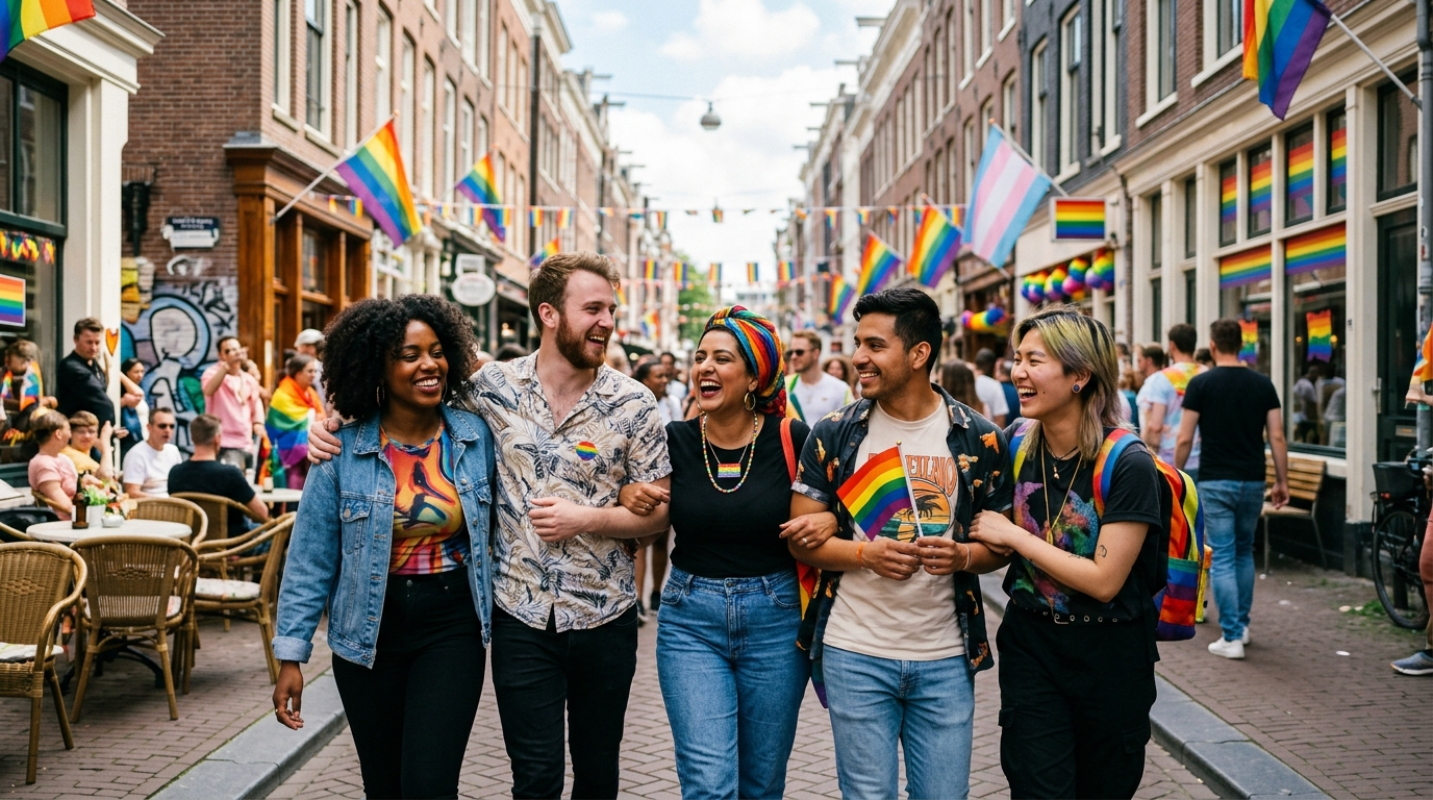
Living in a major city like New York, Chicago, or Atlanta offers a specific kind of freedom called "anonymity." Anonymity is the state of being unknown or unnoticeable within a large group of people. In a city of millions, you can walk down the street holding your partner’s hand or wearing a bold outfit without anyone giving you a second glance. People are usually too busy catching their trains or finding coffee to pay attention to strangers. This creates a "low-stress" environment for daily life because you don't feel like you are constantly being watched or judged by your neighbors.
The sheer "density" of a city, which means having a lot of people packed into a small area, leads to an incredible variety of spaces. You aren't just looking for one gay bar; you have options for queer bookstores, sports leagues, craft groups, and even specialized doctors. If you want to join a trans-inclusive kickball team on a Tuesday night, a big city probably has three. This abundance of "subcultures" allows people to find a very specific "niche." A niche is a comfortable or suitable position in life or employment. Instead of just being "the gay person" in the room, you can be the gay person who loves 1990s anime or the trans person who is into competitive baking.
The Small Town
Small-town life for queer people is often described as being a "pioneer." This means you might be one of the few visible LGBTQ+ people in your immediate area. In a small town, everyone usually knows everyone else’s business. While this can feel "suffocating," a term for feeling trapped or unable to breathe. It also creates a different kind of visibility. When you are a familiar face at the local diner or the post office, people often see you as a "neighbor" first and a "label" second. This can lead to a deeper sense of "integration," where you are a vital part of the town’s daily fabric.
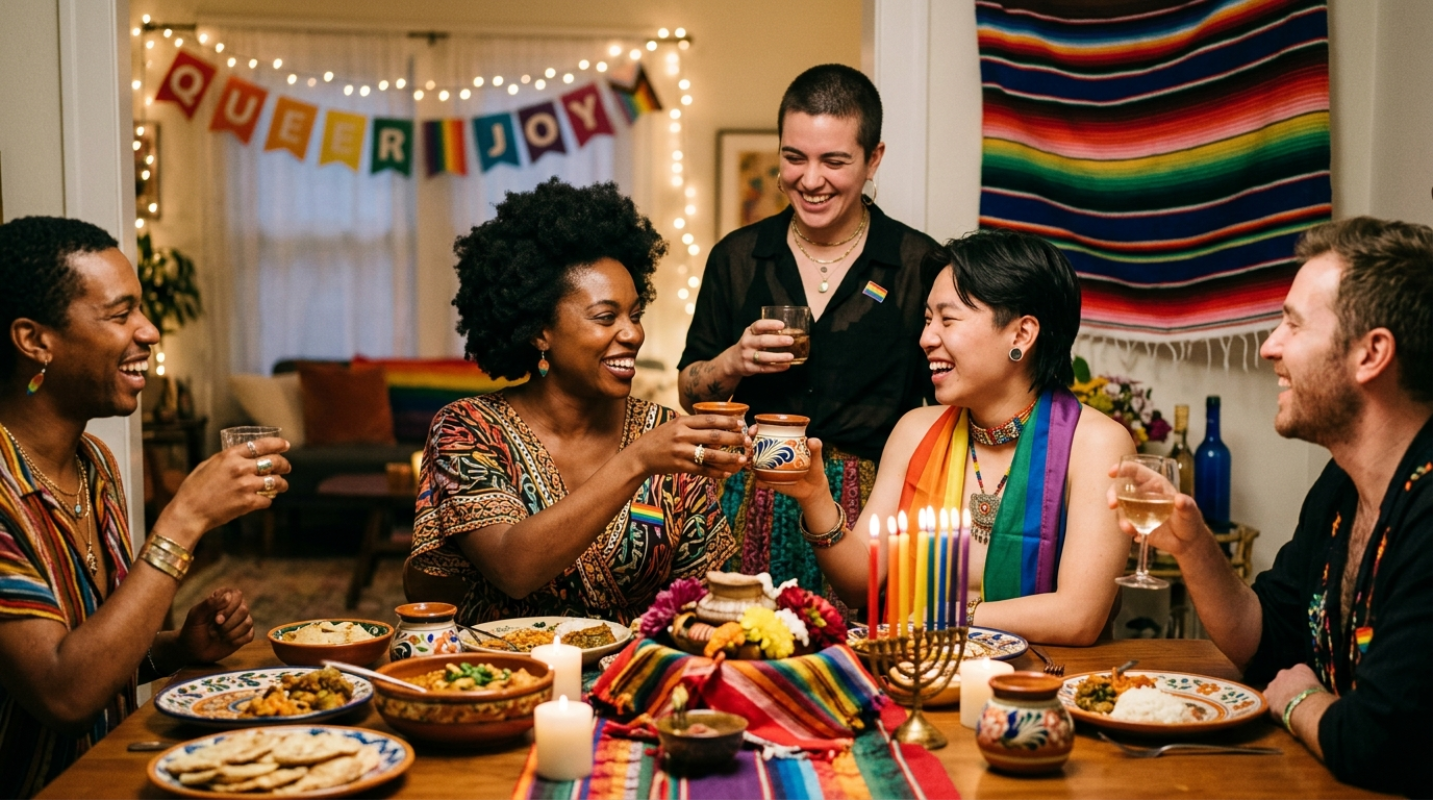
Small-town residents often have to be more "resourceful." Since there isn't a dedicated community center on every corner, people create "underground" networks. This might be a private Facebook group or a monthly potluck held at someone’s house. These gatherings often feel more "intimate," which is a word for a close, personal, and private atmosphere. Because the group is smaller, the bonds between members can be incredibly strong. You aren't just faces in a crowd; you are people who truly rely on each other for support, safety, and friendship.
The Cost of Living and the "Queer Tax"
A major part of the experience that people don't always talk about is the "financial burden." Big cities are notoriously expensive. Rent for a tiny studio apartment in a "gayborhood," a neighborhood with a high LGBTQ+ population, can cost more than a whole house in a rural area. Many queer people describe this as a "Queer Tax." This is not a real government tax, but a way to describe the extra money people pay to live in a place where they feel safe and accepted. You are essentially paying for the right to be yourself without fear.
In a small town, your "purchasing power" is much higher. This means your money goes further, allowing you to buy a home or start a business much earlier in life. However, the trade-off is often a lack of "specialized services." For example, finding a therapist who understands queer-specific issues or a doctor who is experienced in hormone replacement therapy can be very difficult. You might have to drive two hours to a different city just for a check-up. This "geographic barrier" can make life in a small town feel isolating even if you have a beautiful house and a yard.
Dating and the "Digital Desert"
Dating experiences vary wildly between these two worlds. In a big city, dating apps can feel like an endless "scroll." There are so many options that people sometimes treat dating like a "commodity," which is something that can be easily bought, sold, or traded. This leads to "ghosting," where someone suddenly stops talking to you without explanation because they found someone else new. While there are plenty of people to meet, the "quality" of the connections can sometimes feel shallow because everyone is always looking for the next best thing.
Small-town dating is often called a "digital desert." When you open a dating app in a rural area, you might see the same five people every single day. Some of those people might be your coworkers or your exes. This leads to "friendship-first" dating. Because the pool is small, many people end up being friends with everyone they have ever dated. This creates a "web" of relationships that can be complicated to navigate. However, it also means that the people you do meet are usually looking for something "substantial," which means a relationship with real meaning and longevity.
Safety and the "Safety Bubble"
Safety is a top priority for the community, but it looks different in each place. Big cities are often called "Safety Bubbles." Inside the city limits, you feel protected by the sheer number of allies and other queer people. However, this can lead to a "false sense of security." Cities can still have high crime rates, and sometimes the "safety" only exists in certain neighborhoods. If you wander too far into a different part of the city, that feeling of protection can vanish instantly.
In a small town, safety is often "relational." This means your safety depends on your personal relationships with the people around you. If the local sheriff or the head of the school board knows you and likes you, you might feel very safe. But if you are a "transplant," someone who moved there from somewhere else, you might feel like an outsider for a long time. The "unknown" is often what causes the most anxiety. People in small towns might not have much experience with LGBTQ+ issues, so their reactions can be unpredictable. This leads to a lot of "hyper-vigilance," which is a state of always being on high alert for potential danger.
The Internet as a Bridge
The internet has completely changed the experience of living in a small town. Before social media, a queer person in a rural area was truly alone. Now, you can live in a town of 500 people and still have a "global community" on your phone. Many people use sites like Reddit to ask for advice or share stories, creating a "virtual village." This has made small-town life much more "viable," which means it is a realistic and workable option for more people.
Digital spaces allow people to "code-switch" more effectively. Code-switching is the practice of changing your behavior, speech, or appearance to fit into different social environments. You might be a "quiet neighbor" during the day in your small town, but a "bold activist" in your online groups at night. While this can be exhausting, it provides a "safety valve" to release the pressure of living in a place where you can't be 100% visible all the time.