 (Image source: BAG)
 When you spend your money, you aren’t just buying a pair of shoes or a latte. You’re casting a vote. You’re telling the market what kind of world you want to live in. Shopping with intent means looking past the temporary window decals and digging into the actual DNA of a company. Does this brand support its trans employees when the cameras aren’t rolling? Do they fold under pressure the moment a loud minority threatens a boycott? Or do they stand their ground because equality is a core value, not a seasonal accessory? It’s time to talk about how we use our collective economic power to reward the brands that actually have our backs. We’re moving beyond the "feel-good" vibes and looking at the hard data of corporate allyship. Because at the end of the day, our purchasing power is one of the most effective tools we have for driving societal change.
The Corporate Report Card
So how do you actually tell if a company is an ally or just a fair-weather friend? You look at the receipts. The gold standard for this is the Human Rights Campaign (HRC) Corporate Equality Index, or CEI. In the most recent 2025 report, a record 765 companies earned a perfect score of 100. That was a massive 28 percent jump from the previous year. This tells us that despite the noise you hear in the news, many businesses are actually doubling down on inclusion because they know it’s good for their bottom line.
You want to look for specific internal policies that make a tangible difference in people’s lives. We’re talking about trans-inclusive healthcare that covers gender-affirming care, which 91 percent of CEI-rated companies now offer. We’re looking for formal gender transition guidelines and equivalent family-building benefits like adoption or surrogacy support for same-sex couples. If a company doesn't protect its own people, that rainbow logo on their social media profile is meaningless.
You also have to follow the money. It’s a bit of a gut punch to find out that a brand selling "Love is Love" t-shirts is also donating thousands of dollars to politicians who are actively trying to ban our healthcare or erase our history. Genuine allyship requires consistency. It means the corporate political action committee (PAC) needs to align with the values the company claims to hold in its HR handbook.
Brands Making a Real Difference
When we talk about brands that have "stayed the course," a few names consistently rise to the top. These aren't just companies that show up for the parade. They are businesses that have integrated LGBTQ+ support into their year-round operations, even when it’s not politically convenient.
- Apple: This tech giant has been a leader in this space for decades. Beyond their yearly Pride Collection of watch bands, they provide massive financial support to organizations like ILGA World and The Trevor Project. They also allow employees to self-identify their gender and pronouns in internal systems, making the workplace more affirming for everyone.
- Starbucks: They’ve really set the bar for trans-inclusive benefits. They treat gender-affirming procedures, including those often dismissed as cosmetic, as life-saving and necessary. They also recently partnered with the National Center for Transgender Equality to help employees with the legal costs of name and gender marker changes.
- MAC Cosmetics: Through their VIVA GLAM fund, MAC has donated millions of dollars to LGBTQ+ charities. The best part? They donate 100 percent of the proceeds from VIVA GLAM lip products. It’s not just a small percentage of profits; it’s the whole thing.
- Airbnb: They have consistently maintained a 100 percent HRC score and have been vocal about their non-discrimination policies for both hosts and guests.² They’ve made it clear that if you want to use their platform, you have to play by the rules of respect and inclusion.
Prioritizing Queer-Owned and Operated Businesses
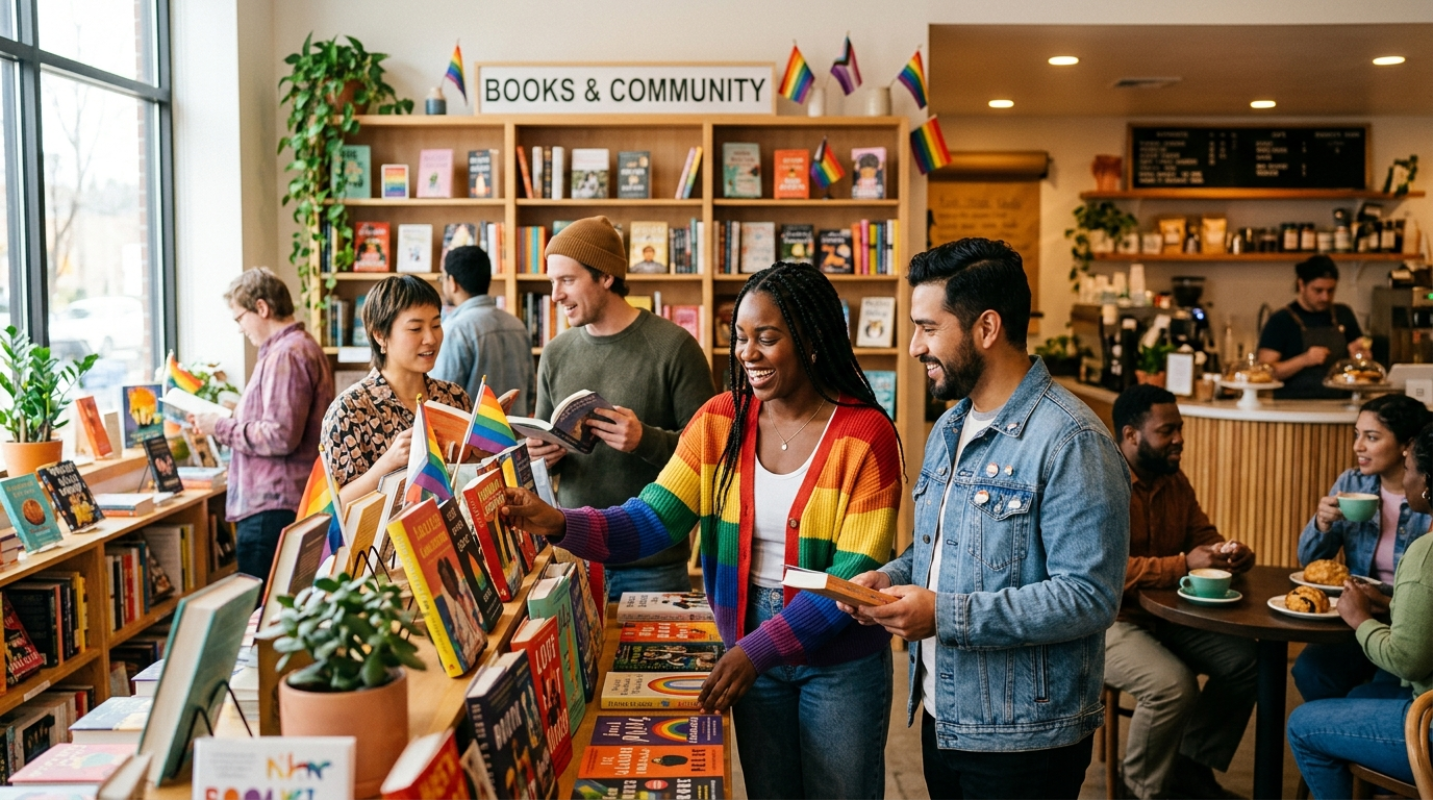
Although it’s great to hold the big corporations accountable, there is a different kind of power in supporting businesses that are actually owned by members of our community. When you shop at a queer-owned bookstore, a trans-owned coffee shop, or a lesbian-owned clothing brand, that money stays within our ecosystem. It builds community wealth and creates safe spaces that big-box retailers just can't replicate.
Think of it as an investment in our own future. Every dollar you spend at a local queer-owned business helps an entrepreneur pay their rent, hire community members, and sponsor local events. It’s a direct line of support that bypasses corporate bureaucracy.
Finding these spots is easier than ever. You can use platforms like Equaldex or check in with your local LGBTQ+ Chamber of Commerce. Many cities now have digital directories that make it simple to find everything from queer-owned auto shops to accounting firms. Next time you need a gift or a service, take five extra minutes to see if there’s a community-owned option. It’s one of the most impactful ways to shop with pride.
Understanding the Backlash
We can't ignore the reality that we’re living in a time of intense political polarization. You’ve probably seen the headlines about "boycott culture" and companies getting cold feet. Some brands, like Target, have even started pulling back from external diversity surveys because of the pressure. It can feel a bit discouraging to see brands we’ve supported for years start to waver.
But here’s the thing: we have more power than we realize. Research shows that LGBTQ+ adults and our allies are incredibly loyal consumers. Over 93 percent of us view a perfect CEI score as a sign of genuine support. On the flip side, 80 percent of us are willing to boycott a company that rolls back its inclusion efforts.
When a brand you love does something great, tell them. Post about it on social media. Send an email to their customer service team. And if they mess up or back down, let them know why you’re taking your business elsewhere. Corporate leaders are often more afraid of losing revenue than they are of a few angry tweets. By being vocal about why we choose certain brands, we provide the "cover" they need to stay firm in their values.