 (Image source: BAG)
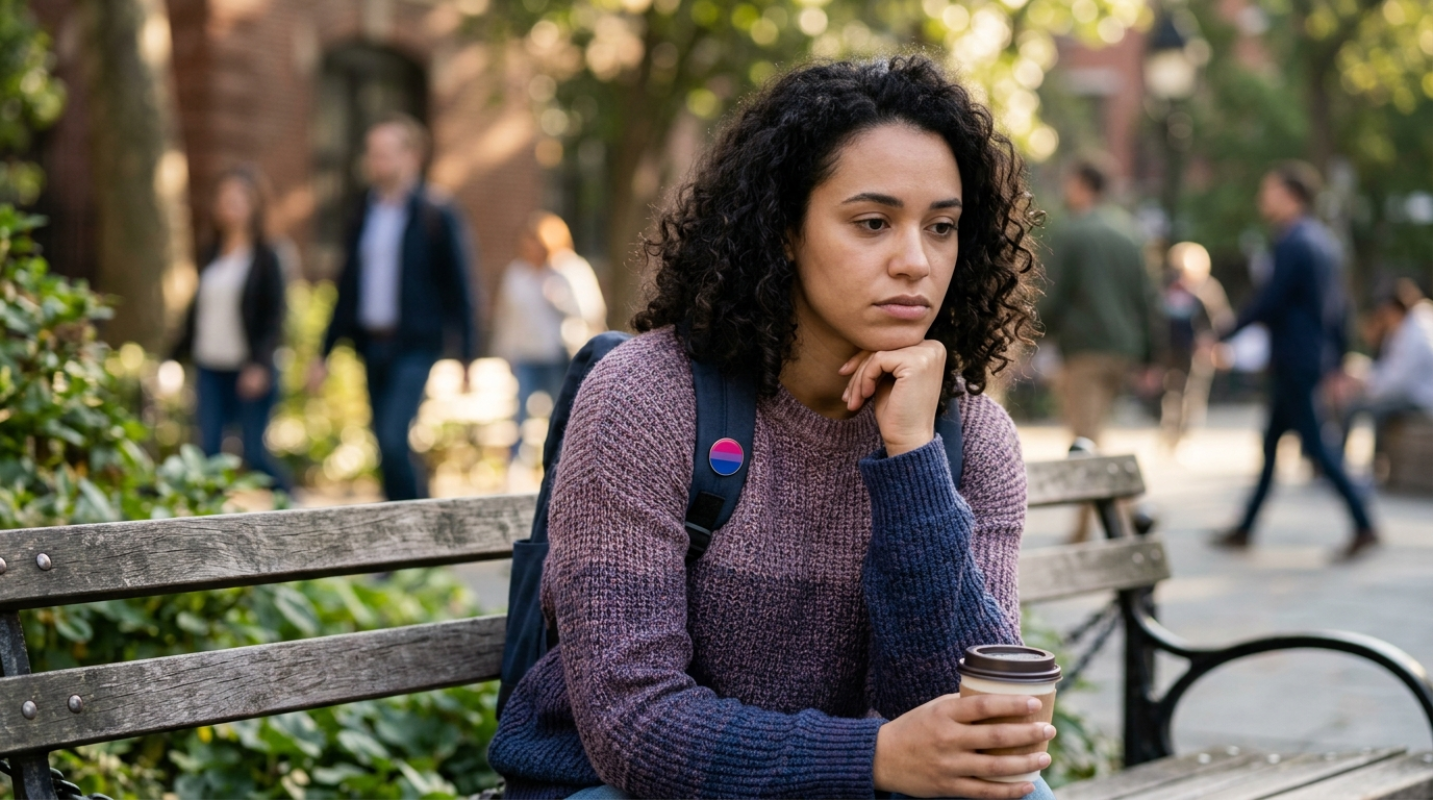
 When we talk about the "B" in LGBTQ+, we are talking about a massive, diverse group of people. But being part of a big group doesn't mean you feel seen. In fact, many of us spend our lives navigating something called identity stress. It is not just a bad mood or a rough patch. It is a chronic, heavy psychological burden that comes from having your core self questioned or ignored. As a wellness advocate and someone who has been in these trenches, I can tell you that this weight eventually takes a toll on your mind and your body. We need to stop pretending that bisexual mental health is the same as gay or lesbian mental health. It is not. The data from 2024 and 2025 shows us a clear, heartbreaking gap. To fix it, we have to look directly at the unique stressors that are wearing our community down.
Biphobia and the Pressure to Choose
Biphobia is a sneaky beast. It is not always as loud or aggressive as traditional homophobia. Often, it shows up as invalidation. Have you ever been told that your identity is just a phase? Or maybe you have heard that you are just confused or "greedy." These are not just annoying comments. They are microaggressions that chip away at your sense of self.
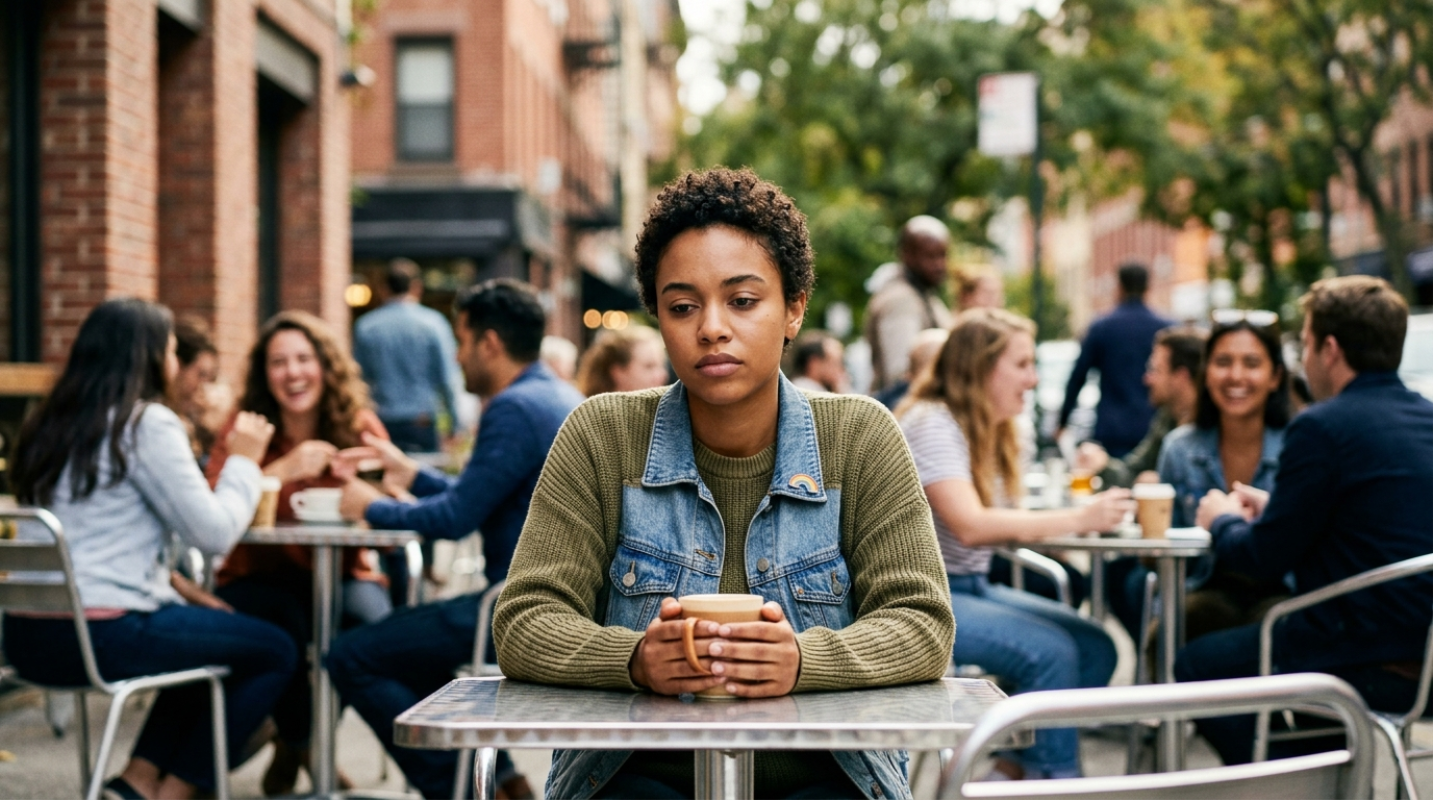
We face a unique challenge called double discrimination. This is the "fun" experience of getting rejected by the heteronormative world for being too queer, while simultaneously being side-eyed by the monosexual queer community for not being "queer enough." It is like being an expat in two different countries but a citizen of neither.
This pressure to pick a side is incredibly damaging. When society tells you that you must be either A or B, but you are naturally C, you start to feel like there is something wrong with your internal compass. This erosion of self-worth is a primary driver of the mental health struggles we see in our community today.
Structural erasure makes it even worse. Take the 2020 Bostock v. Clayton County Supreme Court case as an example. The ruling was a win for gay and transgender employees, but it never once mentioned bisexual people. When the law doesn't even use your name, it sends a message that you don't really exist. That kind of erasure is a quiet, persistent trauma.
The Toll of Chronic Identity Stress
Identity stress is not just "all in your head." Your nervous system is keeping score. When you live in a state of constant vigilance, wondering if you will be accepted or rejected, your body stays in a "fight or flight" mode. This means your cortisol levels are constantly spiked, which can lead to long-term nervous system dysregulation.
Recent research from 2025 confirms that this isn't just a theory. Bisexual individuals report significantly higher rates of anxiety, depression, and substance use than their gay, lesbian, or straight peers. Like, bisexual women are currently reporting double the rate of general mental illness compared to straight women. That is a massive disparity that we cannot afford to ignore.
One of the biggest factors here is the "closeting" effect. Bisexual people are much more likely to hide their identity than gay or lesbian people. Data shows that 30% of bisexual men feel they cannot be open with any of their friends. Compare that to only 2% of gay men. Living behind a mask is exhausting. It creates a barrier to authentic wellness because you can never truly be "off the clock" with your identity.
This stress also shows up in the doctor's office. Many healthcare providers still work within a binary of "straight or gay." If a bisexual man is with a woman, a doctor might not offer him PrEP or certain screenings because they assume he is straight. If a bisexual woman is with a man, her provider might skip important sexual health conversations. This medical mistrust makes us less likely to seek help when we actually need it.²
Building Resilience and Finding Your People
So how do we start to heal? The first step is acknowledging that your identity is valid, regardless of who you are currently dating. Your "queerness" is not a pie that gets smaller depending on your partner's gender. It is a core part of who you are.
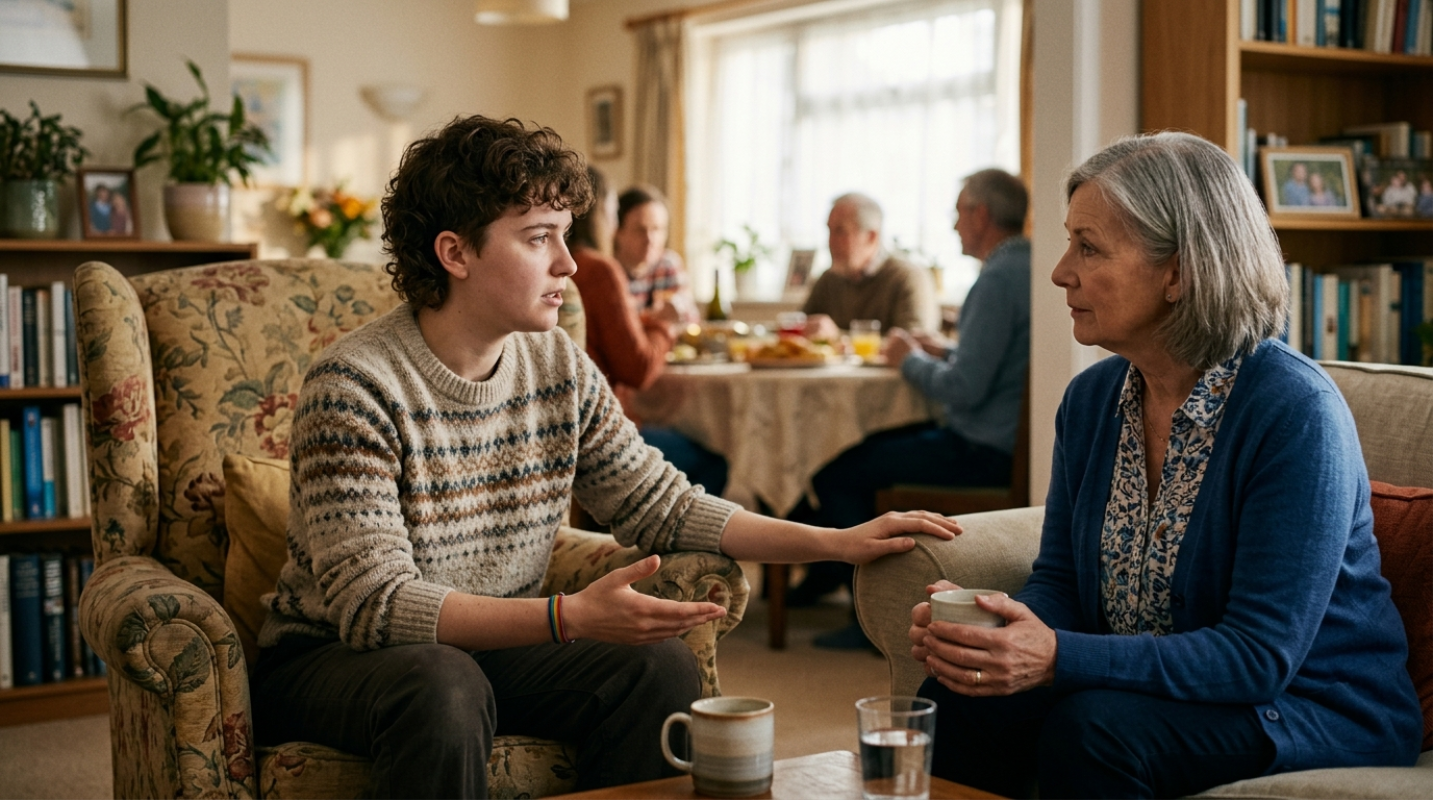
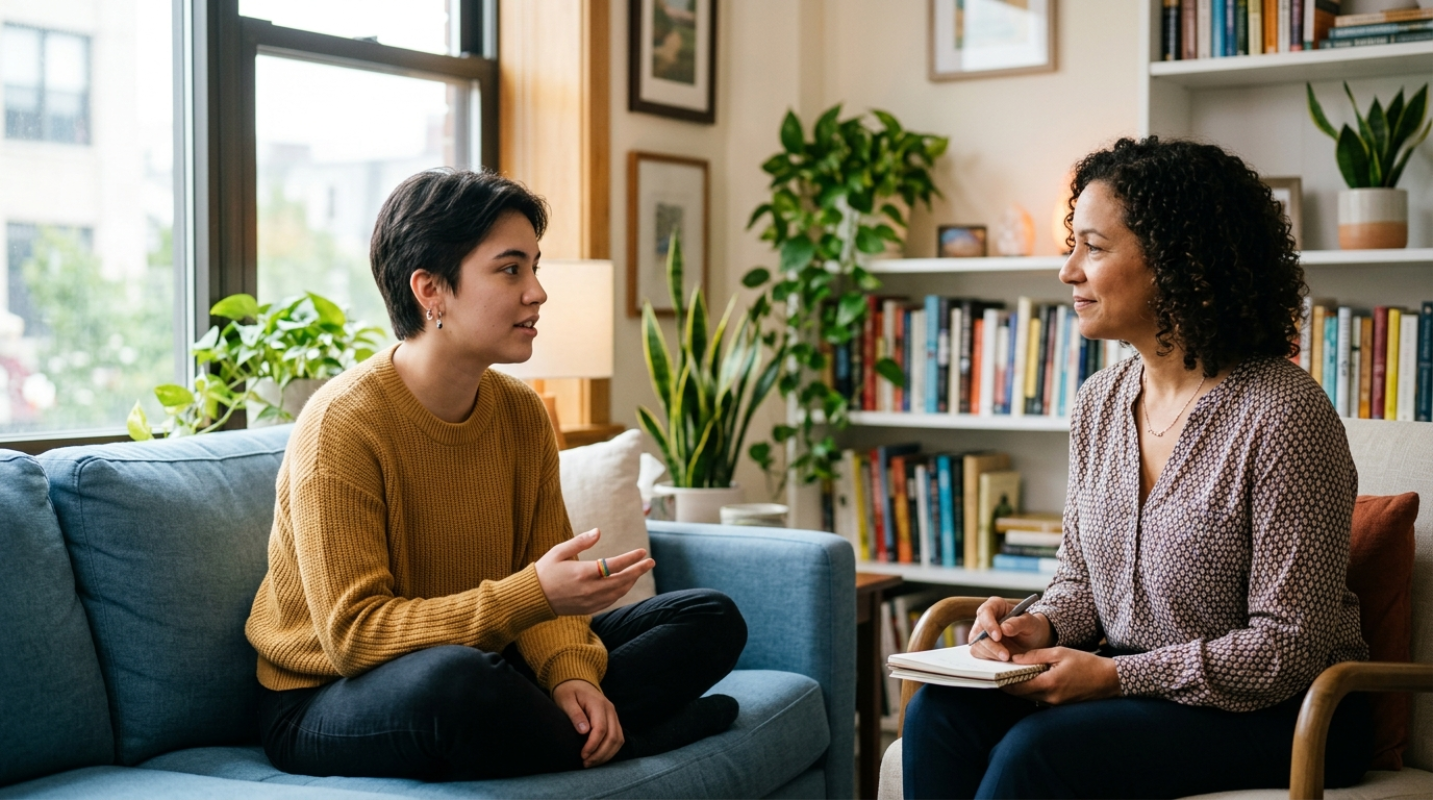
Finding bi-affirming spaces matters. There is something incredibly healing about being in a room (or a Zoom call) where you don't have to explain yourself. You don't have to defend your history or your future. You just get to be. Seeking out these specific communities can act as a buffer against the biphobia you face in the rest of the world.
Learning to set boundaries is another key skill. You are not obligated to be an educator for every person who makes a "greedy" joke or asks an invasive question. It is okay to say, "I am not interested in debating my identity with you." Protecting your peace is a form of healthcare.
I also highly recommend awareness practices that focus on radical honesty. When the world is telling you that you are "confused," taking time to sit with your own truth is powerful. It grounds you. It reminds you that you are the only expert on your own life.
This article is for informational and educational purposes only. Readers are encouraged to consult qualified professionals and verify details with official sources before making decisions. This content does not constitute professional advice.